A fact checker is a person, organization, or technology service that evaluates claims against evidence. Online fact checking has become increasingly important as people encounter headlines, social posts, videos, and screenshots at high speed. A reliable fact checker should make the verification process understandable: identify the claim, gather relevant evidence, assess the sources, and clearly communicate the result and any uncertainty.
Claim identification
A trustworthy system starts with the exact statement being evaluated. The wording should be specific enough that a reviewer can search for evidence and determine what would count as confirmation or contradiction. If the input contains multiple claims, a good process should separate them rather than issuing one broad label.
Evidence gathering
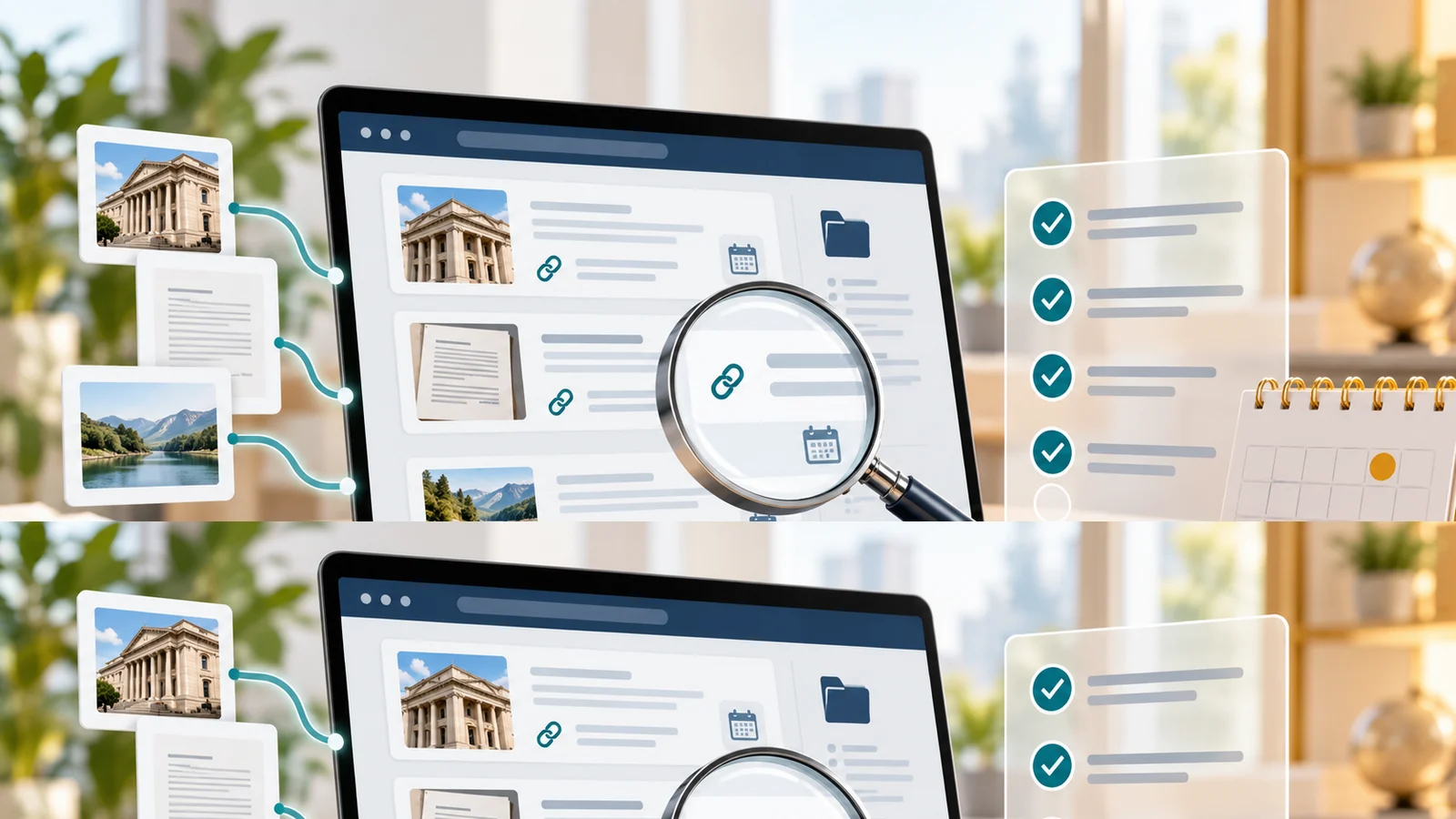
A fact checker should search beyond the source that submitted the claim. Useful evidence can include official documents, primary statements, reputable reporting, public datasets, and established fact-check articles. The system should make it easy to distinguish direct evidence from commentary and to recognize when multiple articles are repeating the same underlying report.
Source quality and independence
Source quality is not only about brand recognition. Reviewers should consider the publication’s expertise, evidence, date, editorial transparency, and whether it has independent access to the information. Several sites repeating the same story do not necessarily equal several independent confirmations. Independence is especially important when a claim spreads through syndication.
Clear explanations
Users need more than a badge that says “true” or “false.” A good fact-check result explains the core evidence, identifies the most relevant source, and notes limitations. This is particularly important for claims that are partially true or missing context, where a binary label can oversimplify the situation.
A path for rechecking
Facts change and new evidence can appear. A reliable service should preserve enough information about the sources and reasoning that a result can be reviewed later. This is one reason transparency matters: a conclusion is more trustworthy when users can understand how it was produced and what date the evidence represents.
How to judge a fact checker before using it
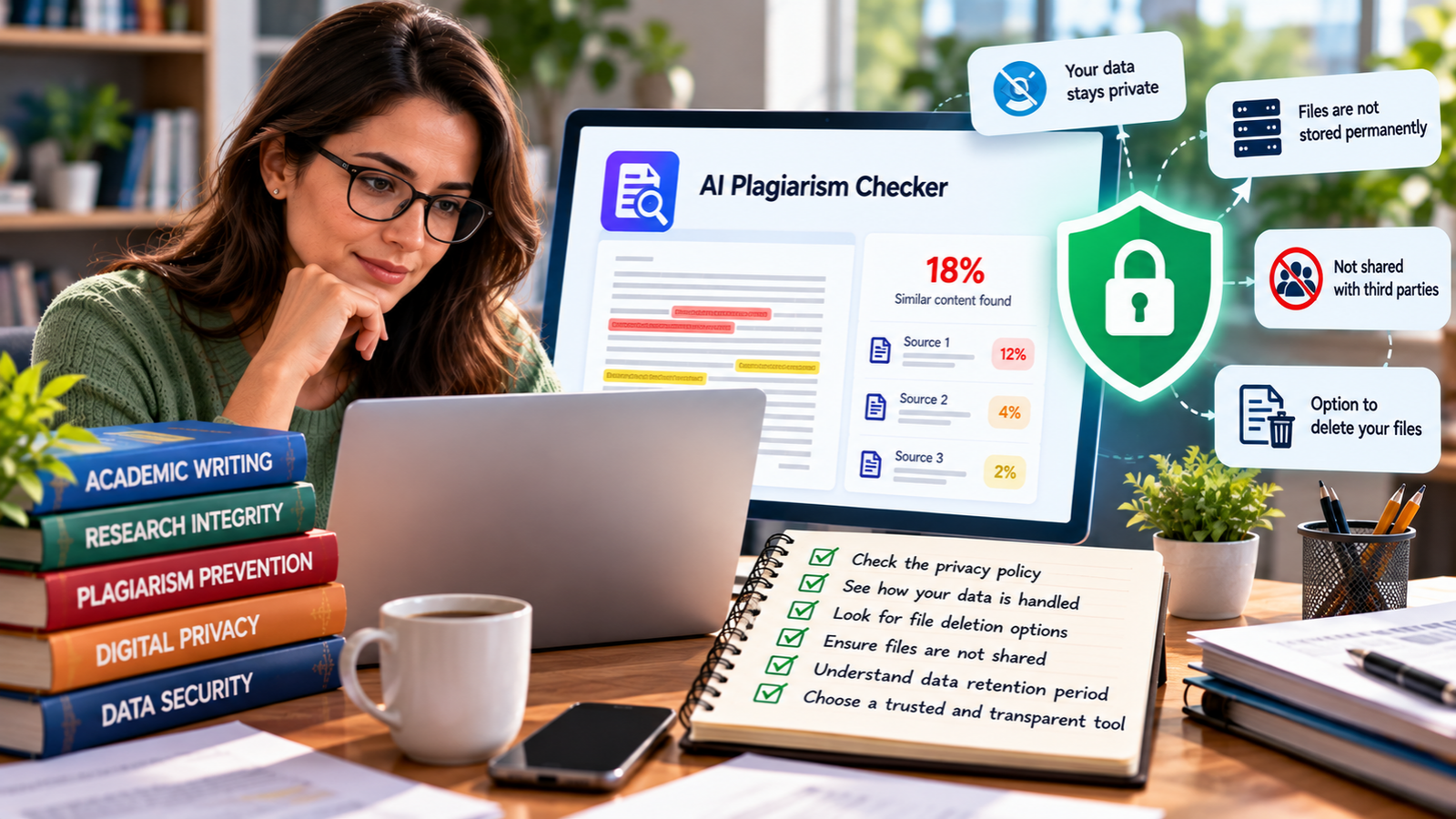
Test the service with claims you already understand. Does it show sources? Can you open the URLs? Does it explain uncertainty? Can it handle an image or link? These practical tests reveal more than a marketing page. Also check how the tool handles privacy and whether results can be revisited later.
Practical takeaway
A fact checker earns trust through evidence transparency. Choose systems that help you inspect the result rather than simply asking you to accept it.
Conclusion
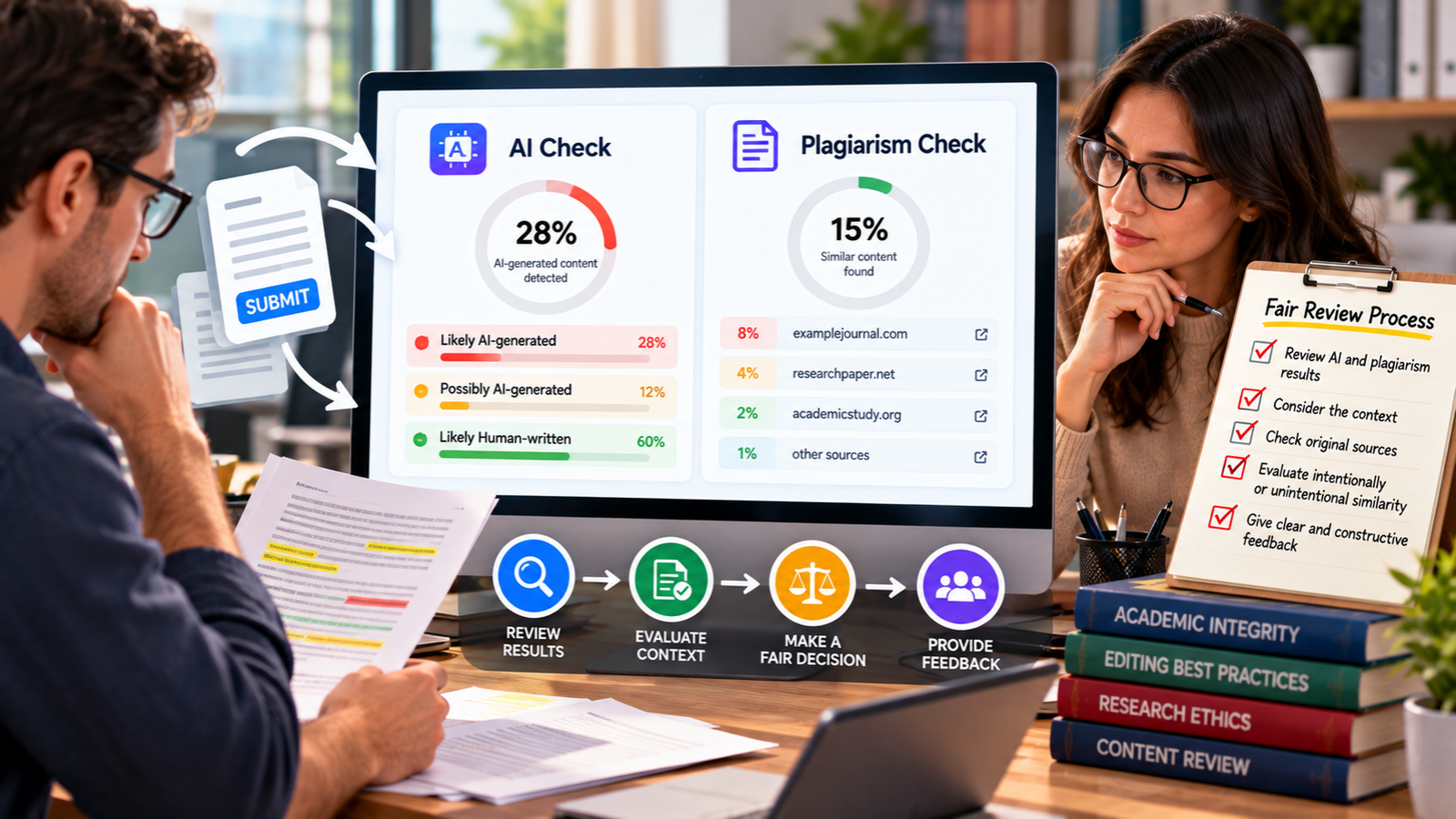
The strongest workflow is evidence-first: gather the relevant material, inspect the sources, and then communicate the result clearly. When using fact checker in a real workflow, keep the original material available, preserve the date of the check, and separate facts from interpretation. For source-based questions, prioritize documents, direct statements, original recordings, reputable reporting, and other evidence that can be inspected. For AI or plagiarism questions, remember that a detection signal answers a narrower question than factual verification. For social media and news, compare the exact wording of the claim with what the underlying source actually says. If evidence conflicts, document the conflict instead of hiding it. If evidence is missing, use an uncertain status rather than inventing confidence. This approach makes fact checker more than a one-click answer: it becomes part of a transparent verification process that readers, editors, teachers, and content teams can understand and repeat. The ultimate goal is not simply to produce a verdict. It is to reduce avoidable errors, slow the spread of unsupported claims, and help people make decisions using evidence that is clear, traceable, and appropriate to the situation.
Frequently Asked Questions
What makes an online fact checker reliable?
Transparent evidence, reputable and independent sources, clear reasoning, appropriate uncertainty, and a way to understand or revisit the result are key characteristics.
Is every fact checker completely automated?
No. Fact checking can be human-led, automated, or hybrid. Different approaches are useful for different levels of complexity and scale.