People often search for a Snopes fact check when a viral statement, image, quote, or social-media post seems difficult to verify. Snopes is widely known for researching claims and publishing fact-check articles, making its work a useful reference point for readers. A careful verification workflow, however, should look beyond a rating label and examine the claim, evidence, date, and reasoning presented in the review.
Why people use professional fact checks
Professional fact checks can save time by bringing together the claim being reviewed, relevant background, source material, and a conclusion. This is especially useful when a misleading post has spread across multiple platforms. Instead of tracing every repost, readers can use a published review as an entry point and then inspect the underlying evidence cited by the fact checker.
Read the claim, not just the label
A rating can summarize a complex situation, but the body of the review is where important context usually appears. A claim may contain a true fact combined with a misleading implication, an outdated statistic, or a quotation stripped from its original setting. Reading the methodology and evidence helps users understand what was actually established and what remains uncertain.
Check dates and changing facts
A professional review is tied to a particular time. News events evolve, official guidance changes, and social posts can resurface months or years later. When using a Snopes fact check or another published review, note its publication date and compare it with the date of the claim. An older review may still be correct for the original claim but incomplete for a later version.
Use professional reviews with primary sources
A fact check is strongest when readers can follow its citations back to primary evidence such as documents, transcripts, official records, or original video. This also helps prevent circular sourcing, where multiple websites repeat the same secondary report. Professional reviews are useful evidence, but the underlying source trail remains important.
How a fact-checking platform can complement this
An online fact checker can combine live search, direct source verification, and existing professional reviews into one workflow. That is useful when no single source answers every part of a claim. The goal is to triangulate: locate the claim, identify independent evidence, compare the evidence, and explain the conclusion with appropriate uncertainty.
How to use a Snopes review effectively
Start by copying the exact claim being circulated and comparing it with the claim reviewed in the professional article. Note differences in wording and date. Then inspect the evidence cited in the review. A fact-check article is especially useful when it points readers toward original documents or direct sources that can be checked independently.
Practical takeaway
Treat a Snopes fact check as a research shortcut and evidence map. Read the explanation, check the date, and follow important citations when the claim matters.
Conclusion
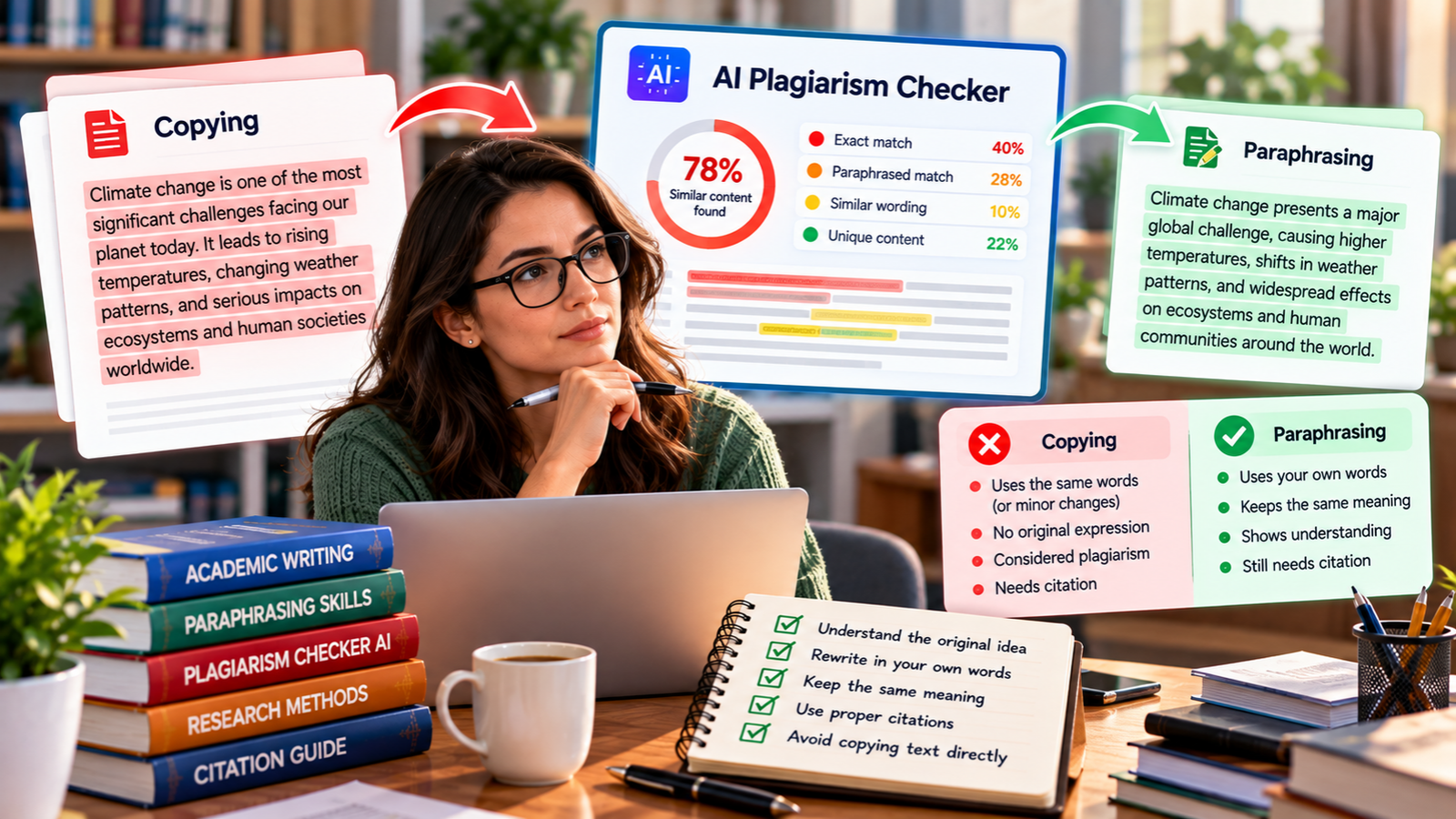
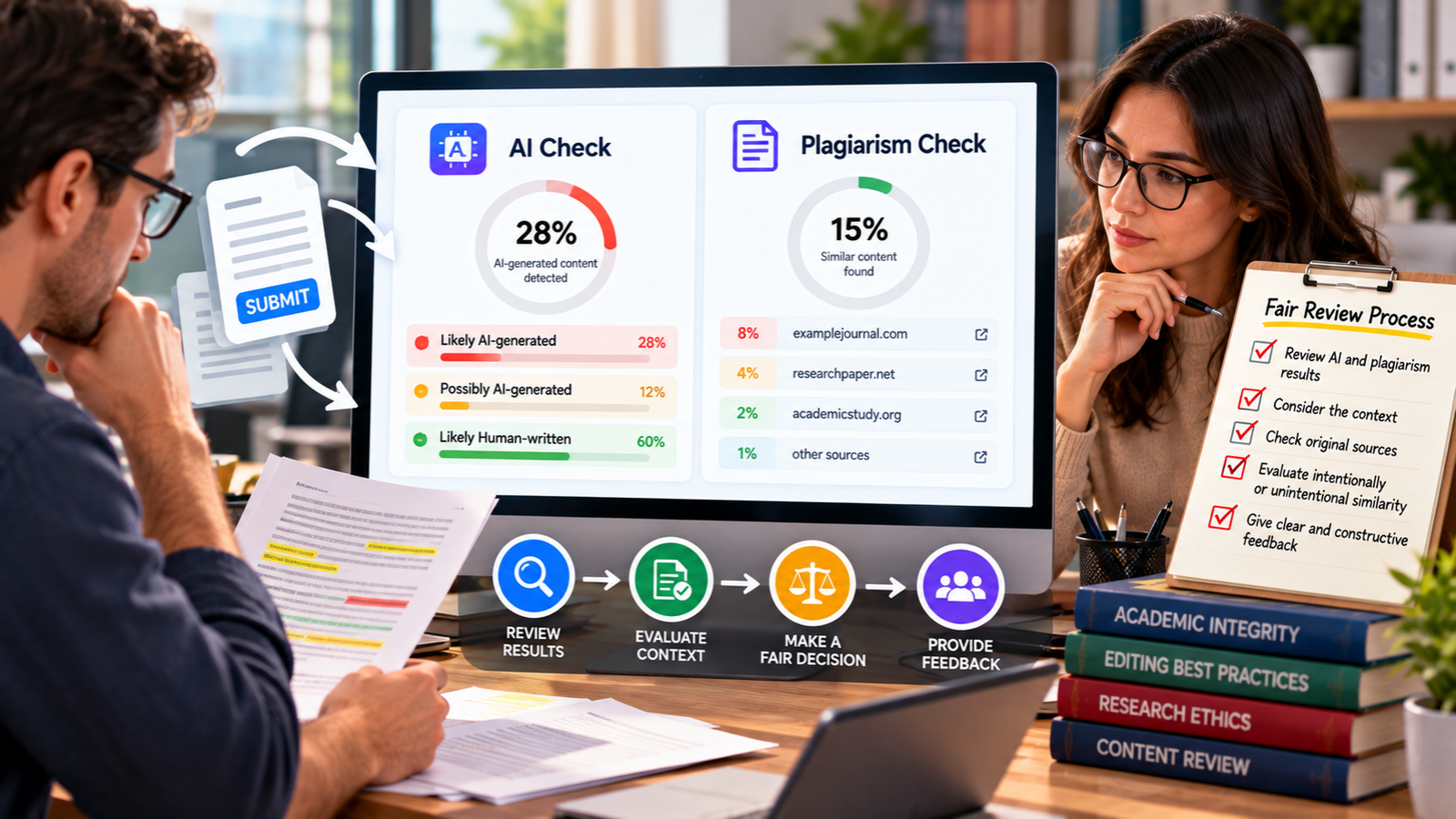
Technology can make verification faster, but it works best when users can still see the evidence that supports the conclusion. When using snopes fact check in a real workflow, keep the original material available, preserve the date of the check, and separate facts from interpretation. For source-based questions, prioritize documents, direct statements, original recordings, reputable reporting, and other evidence that can be inspected. For AI or plagiarism questions, remember that a detection signal answers a narrower question than factual verification. For social media and news, compare the exact wording of the claim with what the underlying source actually says. If evidence conflicts, document the conflict instead of hiding it. If evidence is missing, use an uncertain status rather than inventing confidence. This approach makes snopes fact check more than a one-click answer: it becomes part of a transparent verification process that readers, editors, teachers, and content teams can understand and repeat. The ultimate goal is not simply to produce a verdict. It is to reduce avoidable errors, slow the spread of unsupported claims, and help people make decisions using evidence that is clear, traceable, and appropriate to the situation.
Frequently Asked Questions
Is a Snopes fact checker the same as an automated fact checker?
No. Snopes publishes researched fact-check articles, while automated tools may use search, databases, and AI-assisted reasoning to help evaluate claims.
Should readers rely only on a Snopes rating?
For important claims, it is better to read the reasoning and inspect the cited evidence, especially when the issue is current or contested.