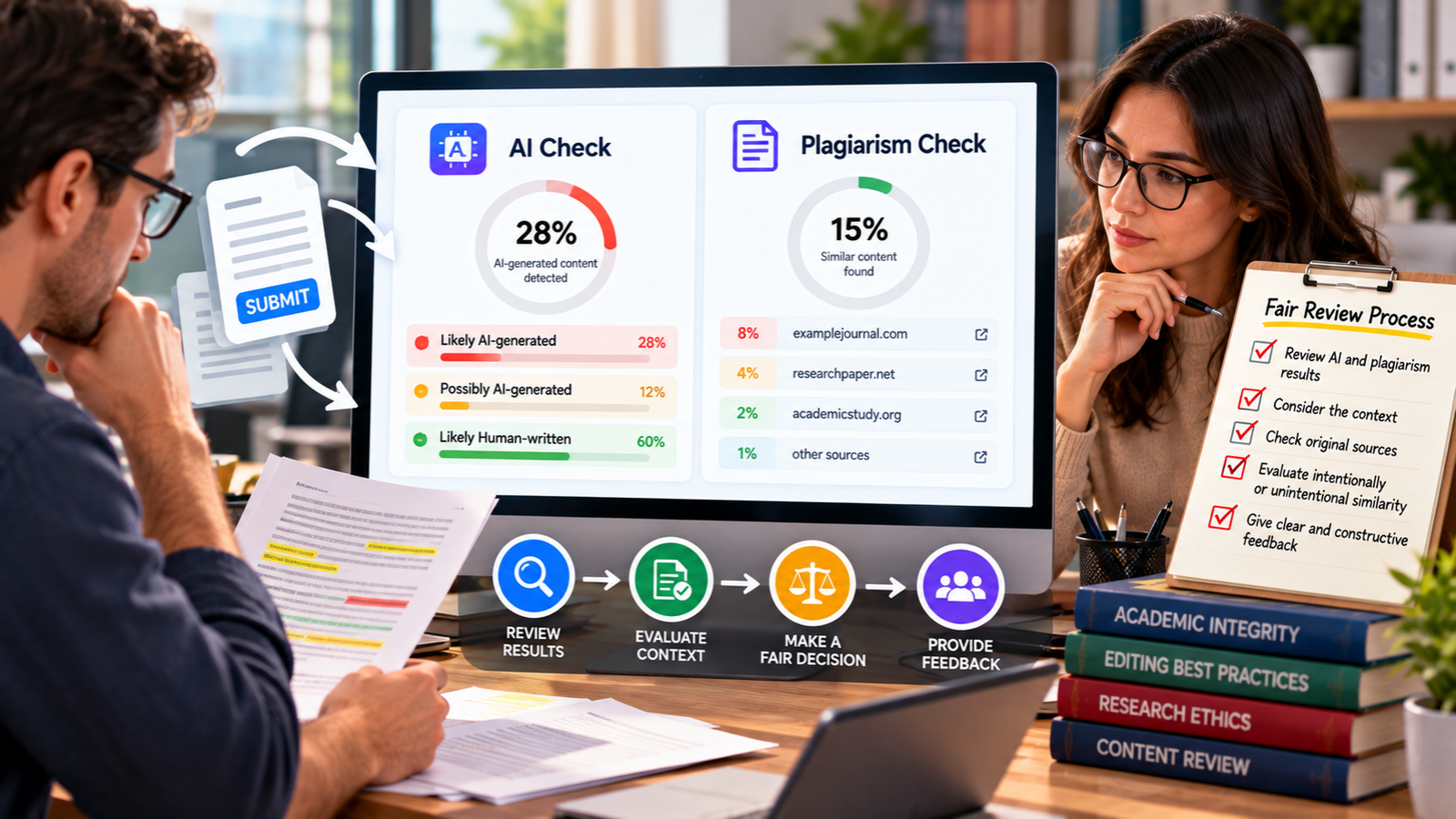
A news fact checker is most useful when it helps users move from a compelling headline to the evidence underneath it. Breaking news is especially challenging because early reports can be incomplete and later updates can change the story. A responsible verification workflow therefore emphasizes source inspection, direct evidence, independent confirmation, and careful handling of uncertainty.
Start with the headline but verify the article
Headlines can simplify complex events or overstate what the body actually establishes. Open the article and identify the exact factual claim. Check who reported the information, whether a source is named, and whether the story links to documents or direct statements. This helps separate reporting from speculation.
Compare independent reporting
For major events, look for multiple organizations that have independently confirmed the same fact. Pay attention to whether they cite different sources or simply repeat each other. A useful news verification tool can speed up this comparison, but the reviewer should still examine the underlying reporting chain.
Look for primary evidence
Official statements, court documents, public records, transcripts, datasets, and original video can be especially valuable. Primary sources do not eliminate all ambiguity, but they reduce the number of interpretive steps between the claim and the evidence. A strong verification workflow prioritizes these materials when they are available.
Check the clock
Breaking news changes. An article published at 8:00 a.m. can be superseded by information released at noon. Always note the time of the claim and the time of the evidence. A news fact checker should distinguish “true based on evidence available then” from “still confirmed now.”
Explain what is known and unknown
The final result should tell readers what the evidence supports, what remains uncertain, and which sources matter most. This is more responsible than presenting a developing story as settled. Verification is not simply about speed; it is about knowing when the evidence is strong enough to support a conclusion.
A breaking-news workflow needs a time stamp
When verifying breaking news, record the time of the claim and the time of each major source. Early reporting may change. An article that was accurate when published may later require an update. This time-aware approach also prevents users from treating an old “debunk” or confirmation as if it were current.
Practical takeaway
For fast-moving stories, a news fact checker should communicate both the evidence and the point in time it represents.
Conclusion
Technology can make verification faster, but it works best when users can still see the evidence that supports the conclusion. When using news fact checker in a real workflow, keep the original material available, preserve the date of the check, and separate facts from interpretation. For source-based questions, prioritize documents, direct statements, original recordings, reputable reporting, and other evidence that can be inspected. For AI or plagiarism questions, remember that a detection signal answers a narrower question than factual verification. For social media and news, compare the exact wording of the claim with what the underlying source actually says. If evidence conflicts, document the conflict instead of hiding it. If evidence is missing, use an uncertain status rather than inventing confidence. This approach makes news fact checker more than a one-click answer: it becomes part of a transparent verification process that readers, editors, teachers, and content teams can understand and repeat. The ultimate goal is not simply to produce a verdict. It is to reduce avoidable errors, slow the spread of unsupported claims, and help people make decisions using evidence that is clear, traceable, and appropriate to the situation.
Frequently Asked Questions
Can a news fact checker verify breaking news instantly?
It can accelerate the search, but developing events may remain uncertain until authoritative evidence becomes available.
What is the most important source for breaking news?
It depends on the claim. Primary evidence such as official statements or original records can be particularly valuable when available.