The phrase “Google fact check” can refer to several ways people discover fact-checking information, including Google’s Fact Check Explorer and data supported through the Fact Check Tools ecosystem. For users, the practical idea is simple: an existing professional review may already be available for a claim. But finding a fact check is only the start. The review still needs to be read in context, dated, and compared with current evidence.
What fact-check data is useful for
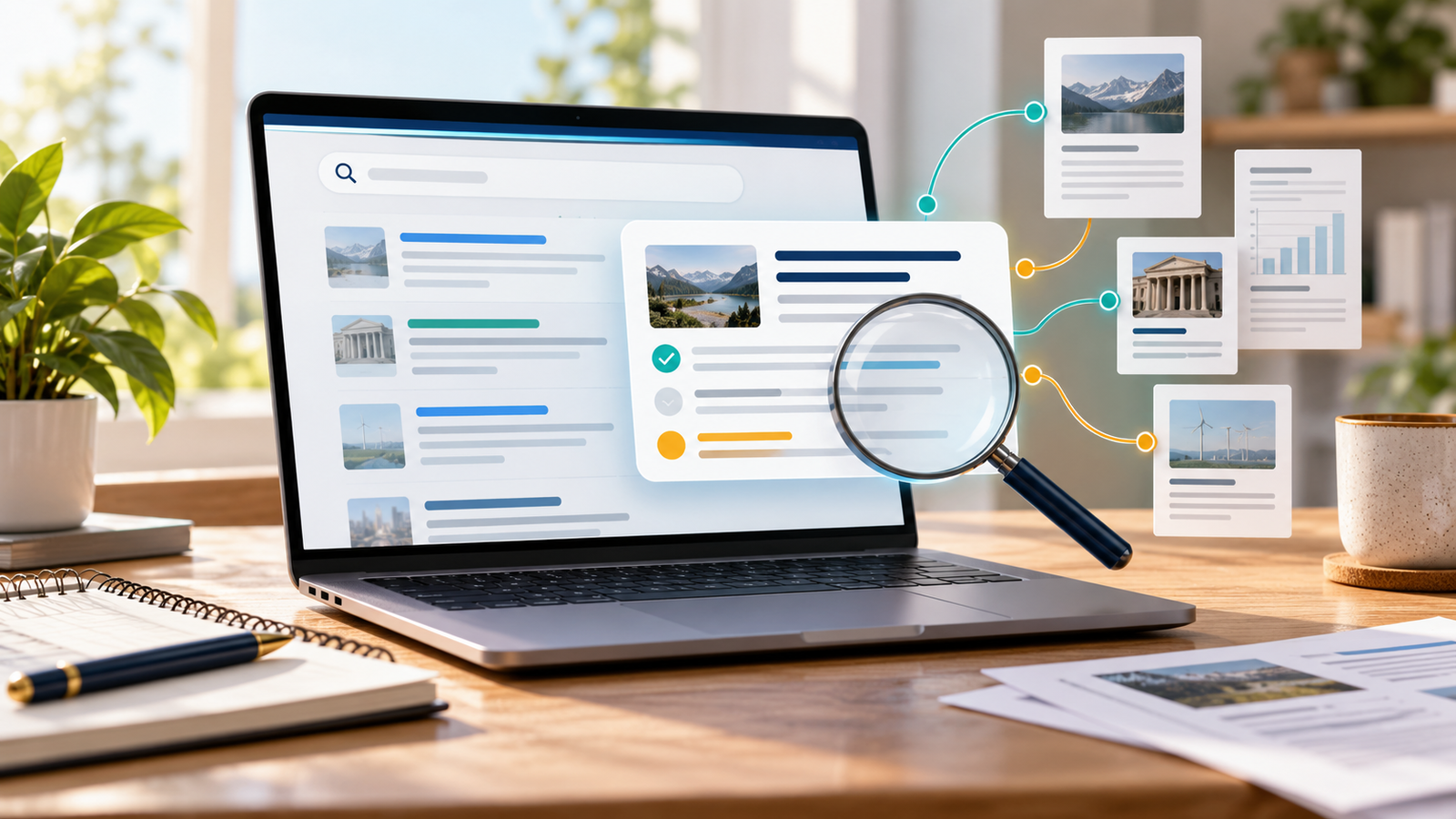
Structured fact-check data can make existing claim reviews easier to discover. It can connect a claim with a publisher, review text, and rating information. This is valuable because users do not always know which fact-checking organization researched a viral statement. Searchable fact-check data can surface relevant work from organizations that might otherwise be missed.
Why finding a result does not end the review
A search result is not automatically proof that the claim in front of you is identical to the claim that was previously reviewed. Small wording changes can matter. The date can matter too. Readers should compare the exact claim, the source context, and the publication date before assuming the earlier fact check settles the current version.
Google and ClaimReview context
Google has documented the use of ClaimReview structured data for fact-check pages and notes that support for displaying ClaimReview in Google Search is being phased out, while the markup remains supported by Fact Check Explorer. This makes it important for publishers to follow current documentation rather than assume that one implementation detail will remain unchanged over time.
How an online fact checker can use existing reviews
An automated fact checker can query fact-check databases as one evidence channel, then combine those results with live search and direct source retrieval. This reduces the risk of treating an older review as the only evidence. It also helps distinguish between an established professional review and a claim that has not yet been independently assessed.
A balanced verification workflow
Use existing fact checks as a shortcut to prior research, then inspect the source trail. Confirm that the claim matches, check the review date, look for subsequent developments, and search for primary evidence. This approach turns “Google fact check” from a simple search phrase into a repeatable verification workflow.
What to do when a Google fact-check result is missing
No existing fact-check result does not mean that a claim is true, false, or unimportant. It may simply mean that the claim has not been reviewed or is phrased differently from existing records. Move to primary sources, reputable reporting, and direct source verification. For current events, also check whether a later update has changed the evidence.
Practical takeaway
Treat fact-check databases as an evidence channel, not a universal truth database. A missing result is a prompt to investigate, not a verdict.
Conclusion
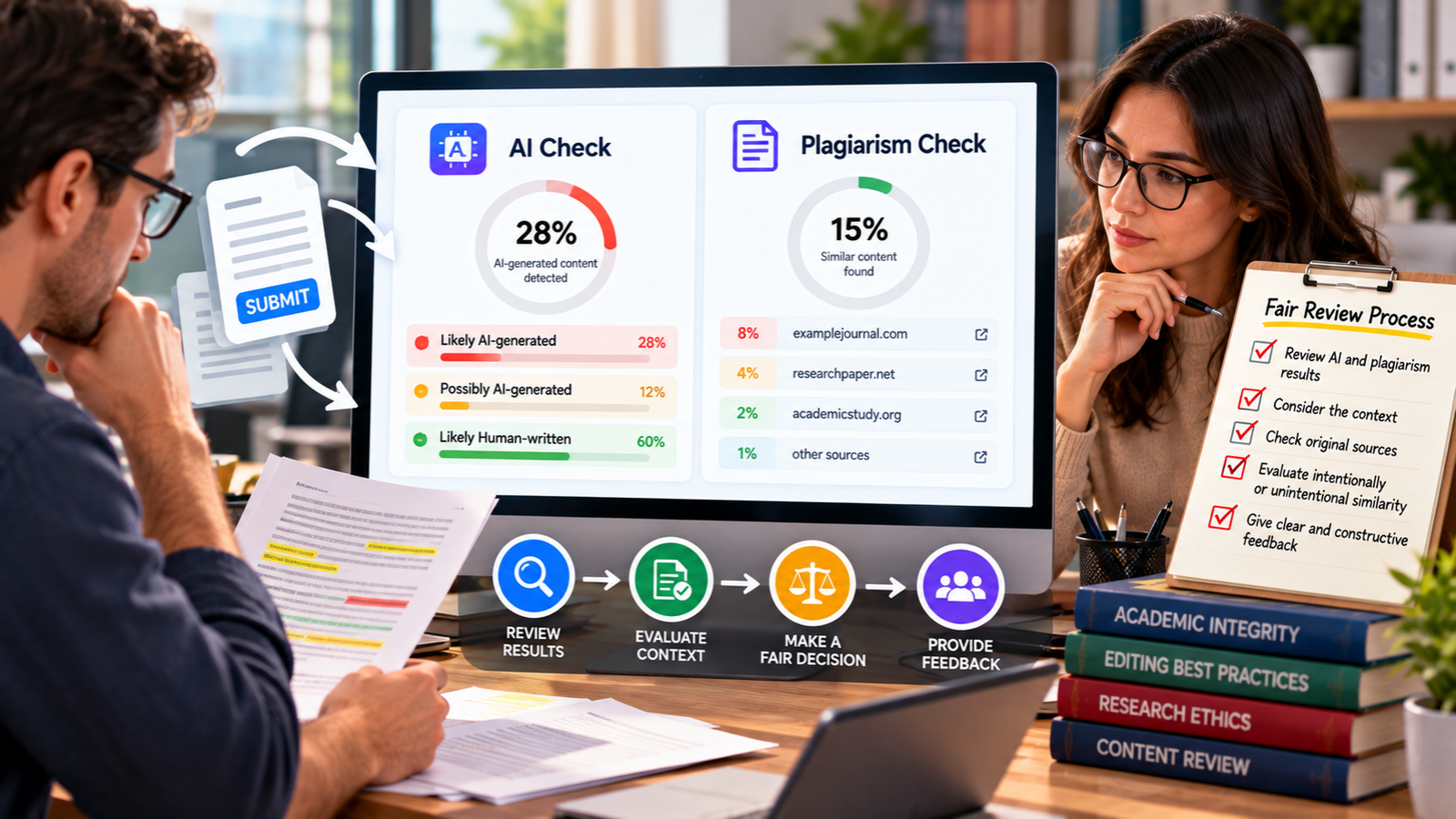
A practical verification process starts with the question behind the content, not the label attached to it. When using google fact check in a real workflow, keep the original material available, preserve the date of the check, and separate facts from interpretation. For source-based questions, prioritize documents, direct statements, original recordings, reputable reporting, and other evidence that can be inspected. For AI or plagiarism questions, remember that a detection signal answers a narrower question than factual verification. For social media and news, compare the exact wording of the claim with what the underlying source actually says. If evidence conflicts, document the conflict instead of hiding it. If evidence is missing, use an uncertain status rather than inventing confidence. This approach makes google fact check more than a one-click answer: it becomes part of a transparent verification process that readers, editors, teachers, and content teams can understand and repeat. The ultimate goal is not simply to produce a verdict. It is to reduce avoidable errors, slow the spread of unsupported claims, and help people make decisions using evidence that is clear, traceable, and appropriate to the situation.
Reference
Google Search Central, Fact check (ClaimReview) structured data documentation: https://developers.google.com/search/docs/appearance/structured-data/factcheck
Frequently Asked Questions
Does Google verify every claim that appears online?
No. Search and fact-check tools surface information and existing reviews; they do not mean every online statement has been independently verified.
What should I do when no existing fact check is found?
Treat the result as “not found,” not automatically “true” or “false.” Search for primary sources and independent reporting and assess the claim on its own evidence.