A free fact checker can be enough for many everyday verification tasks. You do not always need a paid subscription to determine whether a circulating claim has been documented, whether a headline matches its source, or whether a viral statement has already been reviewed by a professional fact-checking organization. What matters most is using strong sources and a repeatable method.
Use search strategically
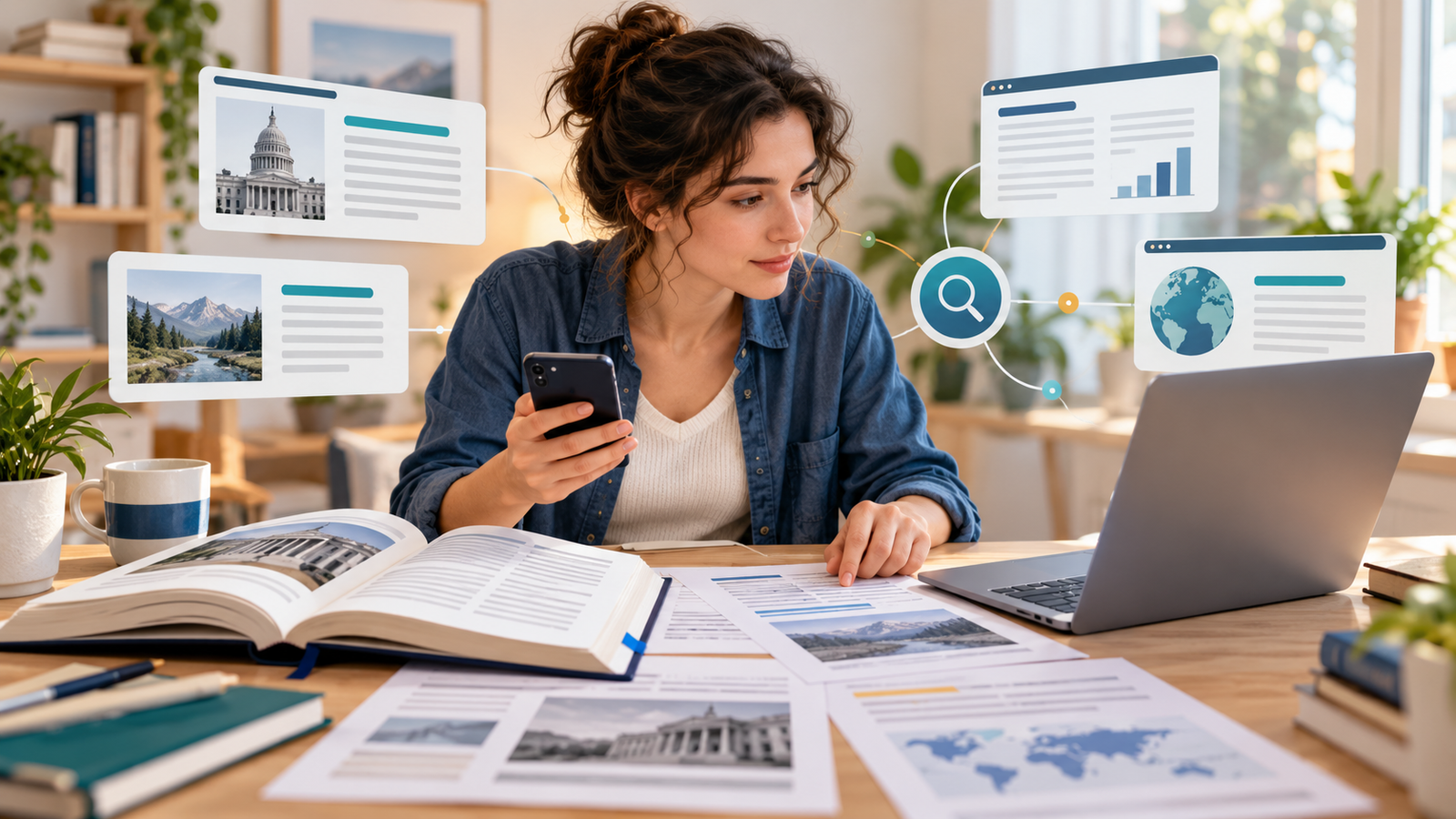
Start with the exact wording of the claim, then try shorter versions containing the core names, dates, and events. Search engines can surface official announcements, reputable reporting, and existing fact checks. Compare multiple results and watch for pages that merely copy one another.
Open the source, do not stop at the snippet
Search snippets are useful for discovery but may omit context. Open the page and inspect the article, document, or original post. Verify the date and whether the source actually supports the claim. This simple step eliminates many false conclusions based on misleading headlines.
Check existing fact-check databases
If a claim is widely circulated, an established fact-checking organization may already have examined it. Search for the exact statement and any distinctive wording. Read the methodology, evidence, and date rather than relying only on the rating. A professional review can also point you toward primary documents.
Use free tools as triage
Some free services can help extract text, identify URLs, or highlight suspicious passages. Treat these capabilities as research aids. For high-stakes questions, verify the key evidence yourself. A free misinformation checker is valuable when it reduces search time without pretending that automation is infallible.
Know when to stop
Not every claim can be resolved with public information. If evidence remains limited, record the result as uncertain rather than inventing confidence. A responsible free fact checker helps users understand both what was found and what was not found. That is a more useful outcome than a forced binary verdict.
Free does not mean careless
A free fact checker can be useful when paired with disciplined research. The key is to know what the tool can access and what it cannot. Search coverage, source availability, media analysis, and quotas may vary. For important claims, open the primary source and document the evidence rather than relying entirely on the free service’s summary.
Practical takeaway
Use free tools to improve verification habits, not to replace them. Careful source evaluation matters more than the price of the software.
Conclusion
For everyday use, the most useful result is one that helps a reader understand what to check next. When using free fact checker in a real workflow, keep the original material available, preserve the date of the check, and separate facts from interpretation. For source-based questions, prioritize documents, direct statements, original recordings, reputable reporting, and other evidence that can be inspected. For AI or plagiarism questions, remember that a detection signal answers a narrower question than factual verification. For social media and news, compare the exact wording of the claim with what the underlying source actually says. If evidence conflicts, document the conflict instead of hiding it. If evidence is missing, use an uncertain status rather than inventing confidence. This approach makes free fact checker more than a one-click answer: it becomes part of a transparent verification process that readers, editors, teachers, and content teams can understand and repeat. The ultimate goal is not simply to produce a verdict. It is to reduce avoidable errors, slow the spread of unsupported claims, and help people make decisions using evidence that is clear, traceable, and appropriate to the situation.
Frequently Asked Questions
What is the best way to use a free fact checker?
Use it to discover evidence, then open the strongest sources and assess the exact claim in context.
Can a free fact checker verify breaking news?
It can help locate early evidence, but breaking events may remain uncertain until reliable sources or primary evidence become available.