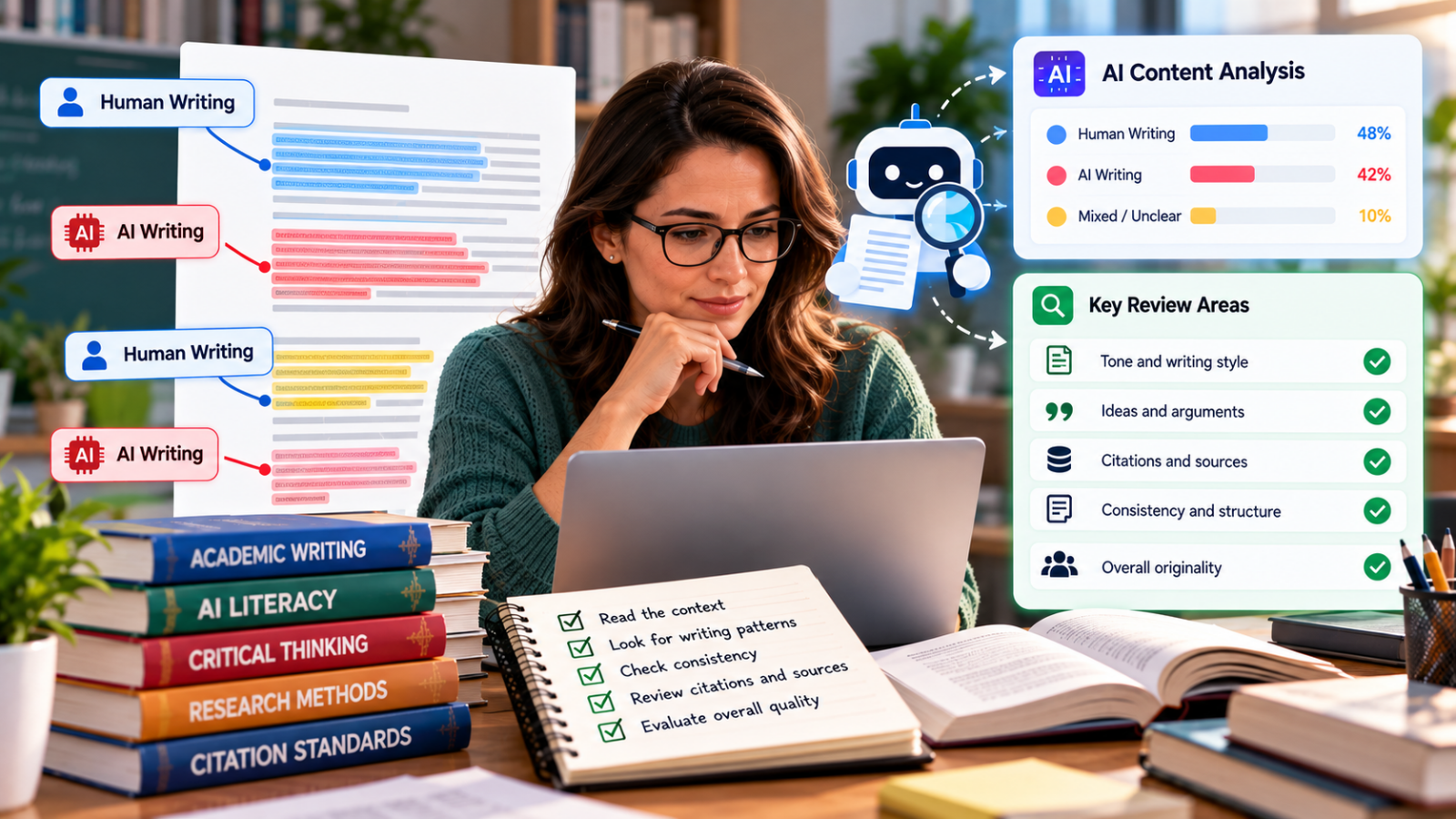
A fake news checker can help people evaluate viral content when the source is unfamiliar or the story seems too dramatic to trust immediately. The goal should not be to hunt for confirmation of a preferred conclusion. It should be to collect the best available evidence and make the result understandable. That requires checking the claim, source, timing, and independent corroboration.
Capture the original claim
Save the text, screenshot, URL, or video before you begin. Copy the exact wording because subtle changes can alter the meaning. Note the date and the account that shared it. This creates a reliable starting point when a post later changes or disappears.
Search distinctive wording
Use the most specific phrases from the claim, including names, dates, locations, or unusual quotations. Search results can quickly reveal whether the statement has been reported by reputable sources or already reviewed by a fact-checking organization. Avoid relying solely on search snippets; open the pages for context.
Verify the underlying source
If the social post links to an article, open it. Compare the article’s actual language with the social caption. If the post uses a screenshot, identify where the screenshot came from. The more directly you can trace a claim to its origin, the easier it becomes to evaluate what happened.
Separate “not confirmed” from “false”
A story that has not yet appeared in reputable sources may be unverified, not fabricated. Breaking news can take time to confirm. A fake news detector or checker should therefore leave room for uncertainty, especially when evidence is still developing.
Document the result
Keep a record of the strongest sources and the reason they matter. When the same claim reappears, the evidence can be reviewed again instead of starting from zero. This turns one-off checking into a reusable information-verification habit.
Using a fake news checker without confirmation bias
Do not search only for pages that agree with your first impression. Search for evidence that could disprove the claim as well as evidence that could support it. This “challenge both sides” approach reduces confirmation bias and produces a more defensible conclusion.
Practical takeaway
A good fake news checker should help you investigate the claim honestly. Use it to test your assumption, not to manufacture certainty.
Conclusion
A practical verification process starts with the question behind the content, not the label attached to it. When using fake news checker in a real workflow, keep the original material available, preserve the date of the check, and separate facts from interpretation. For source-based questions, prioritize documents, direct statements, original recordings, reputable reporting, and other evidence that can be inspected. For AI or plagiarism questions, remember that a detection signal answers a narrower question than factual verification. For social media and news, compare the exact wording of the claim with what the underlying source actually says. If evidence conflicts, document the conflict instead of hiding it. If evidence is missing, use an uncertain status rather than inventing confidence. This approach makes fake news checker more than a one-click answer: it becomes part of a transparent verification process that readers, editors, teachers, and content teams can understand and repeat. The ultimate goal is not simply to produce a verdict. It is to reduce avoidable errors, slow the spread of unsupported claims, and help people make decisions using evidence that is clear, traceable, and appropriate to the situation.
Frequently Asked Questions
Can a fake news checker identify every fabricated story?
No. Some claims are too new, obscure, or unsupported by public evidence to resolve automatically.
Should I trust a single debunking article?
For important claims, inspect the article’s evidence and look for the original or primary sources behind it.