Fact checking has become harder to scale because content can be created, translated, summarized, and reposted in seconds. Generative AI adds another layer: it can help people draft convincing text and images while also helping researchers search and organize evidence. The answer is not to distrust every piece of content. It is to make verification systematic, fast, and evidence-driven.
Separate content creation from truth
The existence of AI-generated content does not tell you whether a claim is true. A real person can write a false statement, and an AI system can produce a correct description of a known fact. Fact checking therefore starts with the claim itself. Ask what is being asserted and what evidence would confirm it, regardless of who produced the wording.
Use automation for triage
Automation can accelerate repetitive steps such as search, URL retrieval, OCR, and discovery of existing fact checks. This lets reviewers focus their time on the most difficult reasoning. The system should preserve the underlying sources rather than presenting an unexplained answer, because evidence is what allows a user to validate the result.
Cross-check independent evidence
When a story is viral, several websites may repeat the same wire report or social post. Count evidence by underlying reporting, not simply by the number of URLs. Primary sources and independently reported confirmations are generally more informative than a long list of copies.
Handle uncertainty explicitly
Breaking stories frequently have incomplete evidence. A good misinformation checker should be able to say that the claim is unresolved when that is the honest state of the evidence. This prevents an absence of corroboration from becoming a fabricated “false” verdict and makes the system safer to use for rapidly developing events.
Build a repeatable review habit
The most effective fact checking process is easy to repeat: isolate the claim, search for strong evidence, inspect the original source, compare dates, check professional reviews, and document the reasoning. Whether these steps are done manually or supported by an AI fact checker, the core discipline remains the same.
Avoid automation bias in fact checking
Automation bias occurs when users give excessive weight to a machine-generated answer simply because it looks precise. A fact checking system can reduce this risk by exposing the evidence, showing uncertainty, and separating source retrieval from reasoning. Human reviewers should remain able to challenge a result and reopen the underlying sources.
Practical takeaway
The most reliable AI-supported workflow is not the one with the strongest confidence language. It is the one that makes it easiest to see when the evidence is weak or contradictory.
Conclusion
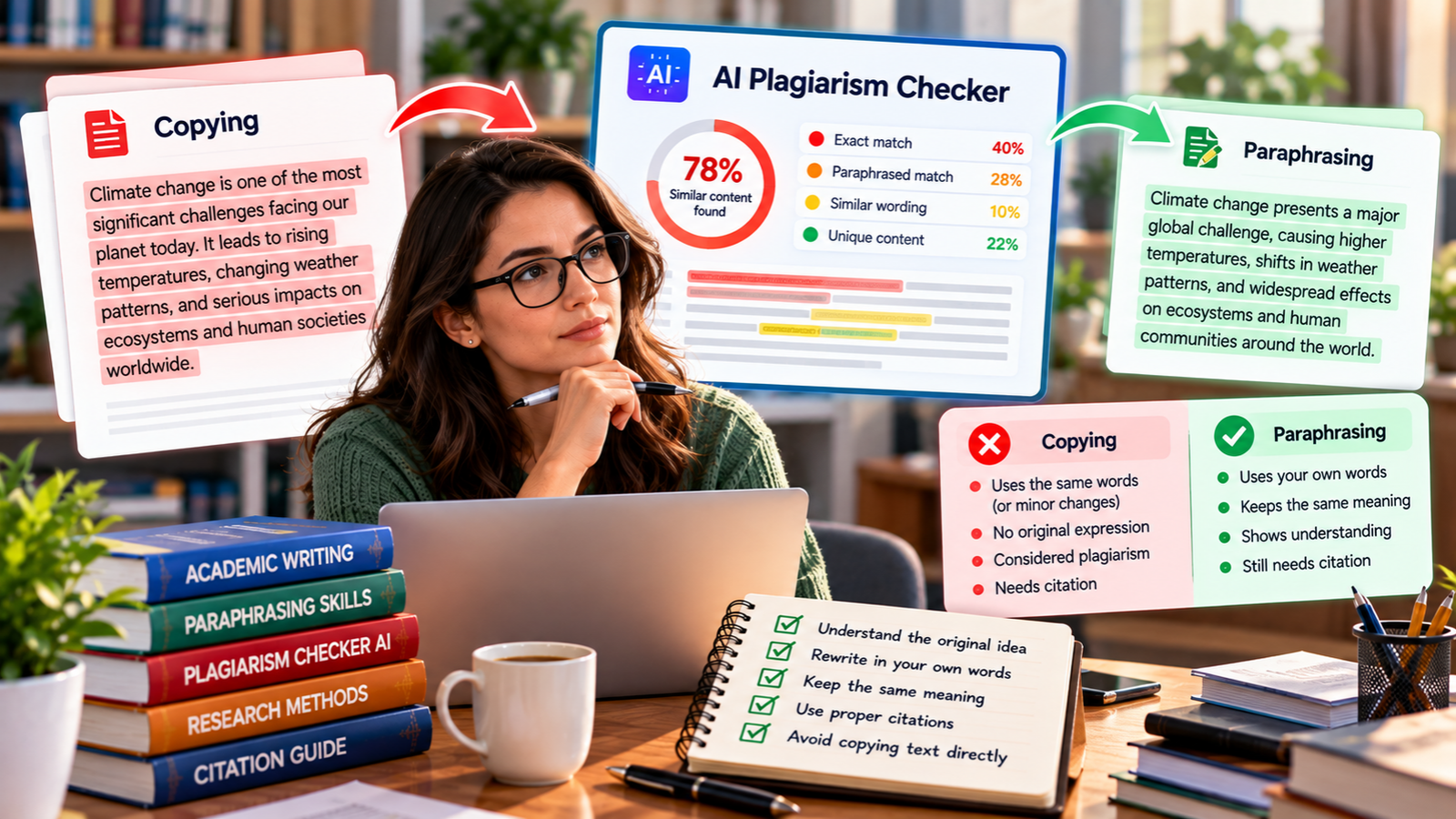
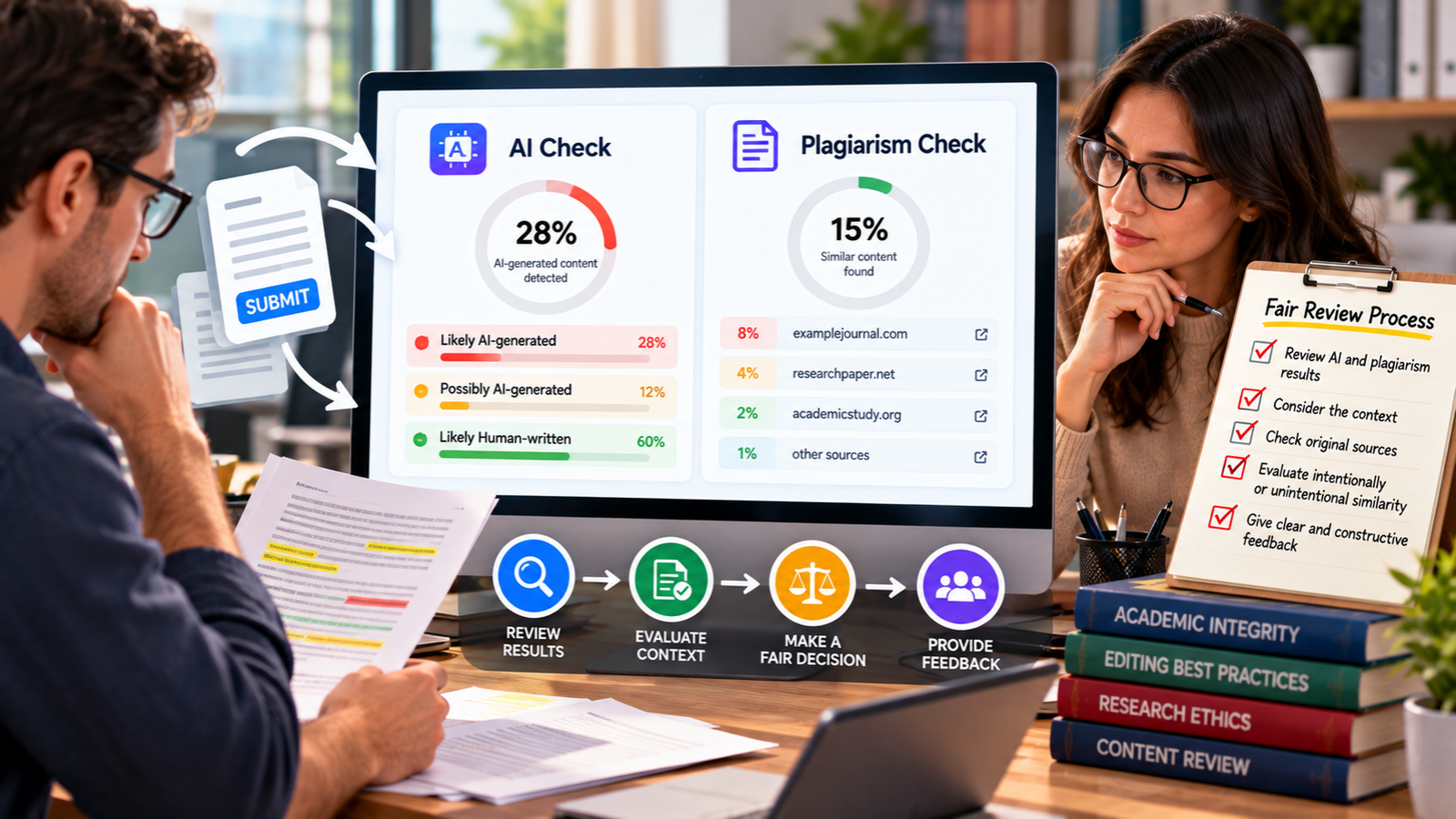
Technology can make verification faster, but it works best when users can still see the evidence that supports the conclusion. When using fact checking in a real workflow, keep the original material available, preserve the date of the check, and separate facts from interpretation. For source-based questions, prioritize documents, direct statements, original recordings, reputable reporting, and other evidence that can be inspected. For AI or plagiarism questions, remember that a detection signal answers a narrower question than factual verification. For social media and news, compare the exact wording of the claim with what the underlying source actually says. If evidence conflicts, document the conflict instead of hiding it. If evidence is missing, use an uncertain status rather than inventing confidence. This approach makes fact checking more than a one-click answer: it becomes part of a transparent verification process that readers, editors, teachers, and content teams can understand and repeat. The ultimate goal is not simply to produce a verdict. It is to reduce avoidable errors, slow the spread of unsupported claims, and help people make decisions using evidence that is clear, traceable, and appropriate to the situation.
Frequently Asked Questions
Can AI improve fact checking?
Yes. AI can accelerate search, extraction, summarization, and evidence organization, but the quality of the result still depends on the sources and verification method.
What is the biggest mistake in automated fact checking?
Treating a lack of search results as proof that a claim is false. Missing evidence should often lead to further investigation or an uncertain result.