A fact checker online can help people evaluate claims without opening dozens of tabs or trying to understand every technical detail of digital verification. But the value of the tool depends on how the result is interpreted. The most useful workflow is not “paste a claim and trust the label.” It is a sequence that combines claim precision, source quality, direct evidence, and uncertainty.
Step one: isolate the claim
Remove opinion, emotion, and decorative language from the post. What factual statement is actually being made? Identify the person, event, number, date, location, and implied cause if relevant. If there are several claims, split them into separate questions. Precise inputs produce more useful searches.
Step two: find primary and independent sources
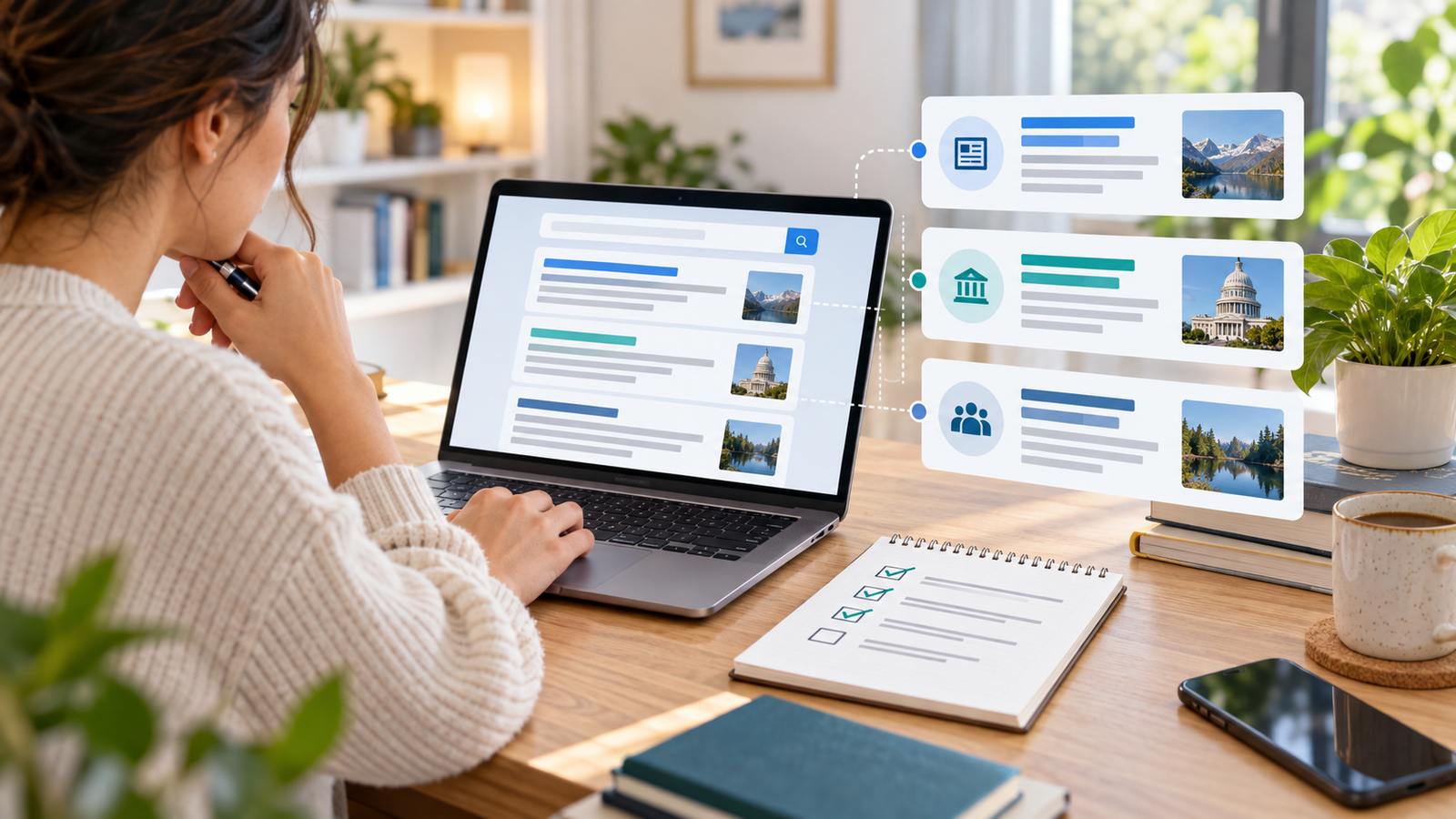
Search for original documents, official announcements, direct recordings, datasets, and reporting that cites direct evidence. Avoid assuming that ten articles are ten independent confirmations. Track the underlying source of each report and prioritize material that adds new evidence rather than repeating the same statement.
Step three: inspect the submitted source
Open the page, video, or post that triggered the check. Verify whether the claim accurately represents the source. Pay attention to dates, headlines, captions, edits, and quoted material. Misleading content often starts with a real source that has been reframed.
Step four: look for existing fact checks
Professional reviews can save time, especially for recurring viral claims. Search established fact-checking organizations and relevant databases. Then compare the exact claim and date. An older review can be informative without necessarily answering a newer variation of the same statement.
Step five: communicate the result responsibly
A high-quality online fact checker should tell users what the evidence supports and where uncertainty remains. When the evidence is mixed, explain why. When the claim is not yet verifiable, say that too. The objective is to improve the reader’s understanding, not simply provide a dramatic label.
How to make online fact checking efficient
Efficiency comes from asking better questions, not from collecting more links. Start with the central claim and a small set of strong evidence sources. Stop once the evidence clearly supports, contradicts, or leaves the claim unresolved. If the claim is high stakes, expand the source set and have another person review the reasoning.
Practical takeaway
A fact checker online should shorten the research path while preserving the evidence trail. The ideal workflow is fast enough for everyday use and transparent enough for serious questions.
Conclusion
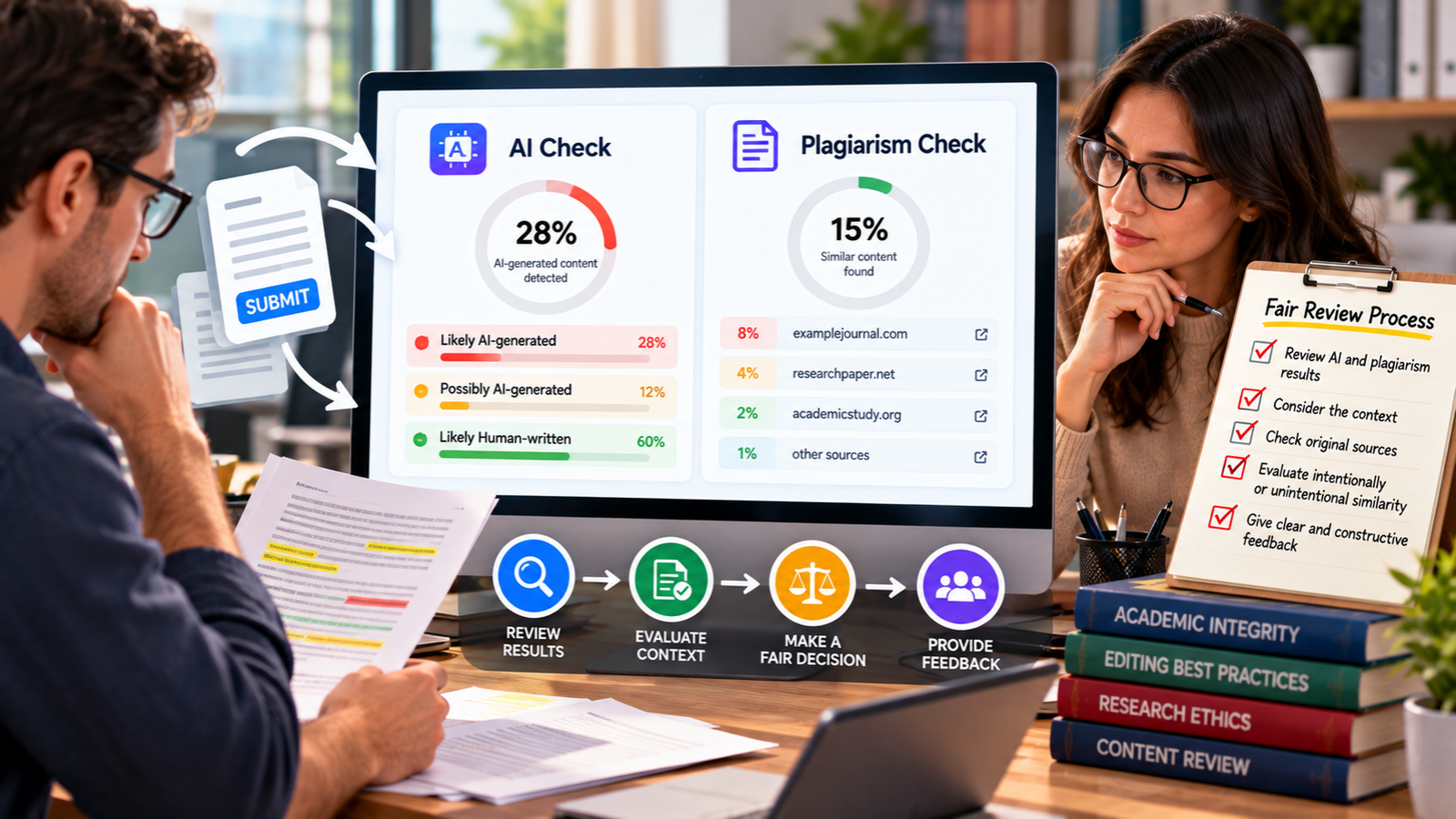
A practical verification process starts with the question behind the content, not the label attached to it. When using fact checker online in a real workflow, keep the original material available, preserve the date of the check, and separate facts from interpretation. For source-based questions, prioritize documents, direct statements, original recordings, reputable reporting, and other evidence that can be inspected. For AI or plagiarism questions, remember that a detection signal answers a narrower question than factual verification. For social media and news, compare the exact wording of the claim with what the underlying source actually says. If evidence conflicts, document the conflict instead of hiding it. If evidence is missing, use an uncertain status rather than inventing confidence. This approach makes fact checker online more than a one-click answer: it becomes part of a transparent verification process that readers, editors, teachers, and content teams can understand and repeat. The ultimate goal is not simply to produce a verdict. It is to reduce avoidable errors, slow the spread of unsupported claims, and help people make decisions using evidence that is clear, traceable, and appropriate to the situation.
Frequently Asked Questions
Is a fact checker online better than manually searching?
It can be faster and more structured, especially when it combines several evidence sources, but users should still inspect important sources and context.
Can an online fact checker handle images and videos?
Some can. The quality depends on whether the system can analyze the media itself, extract text, and verify the claims independently.