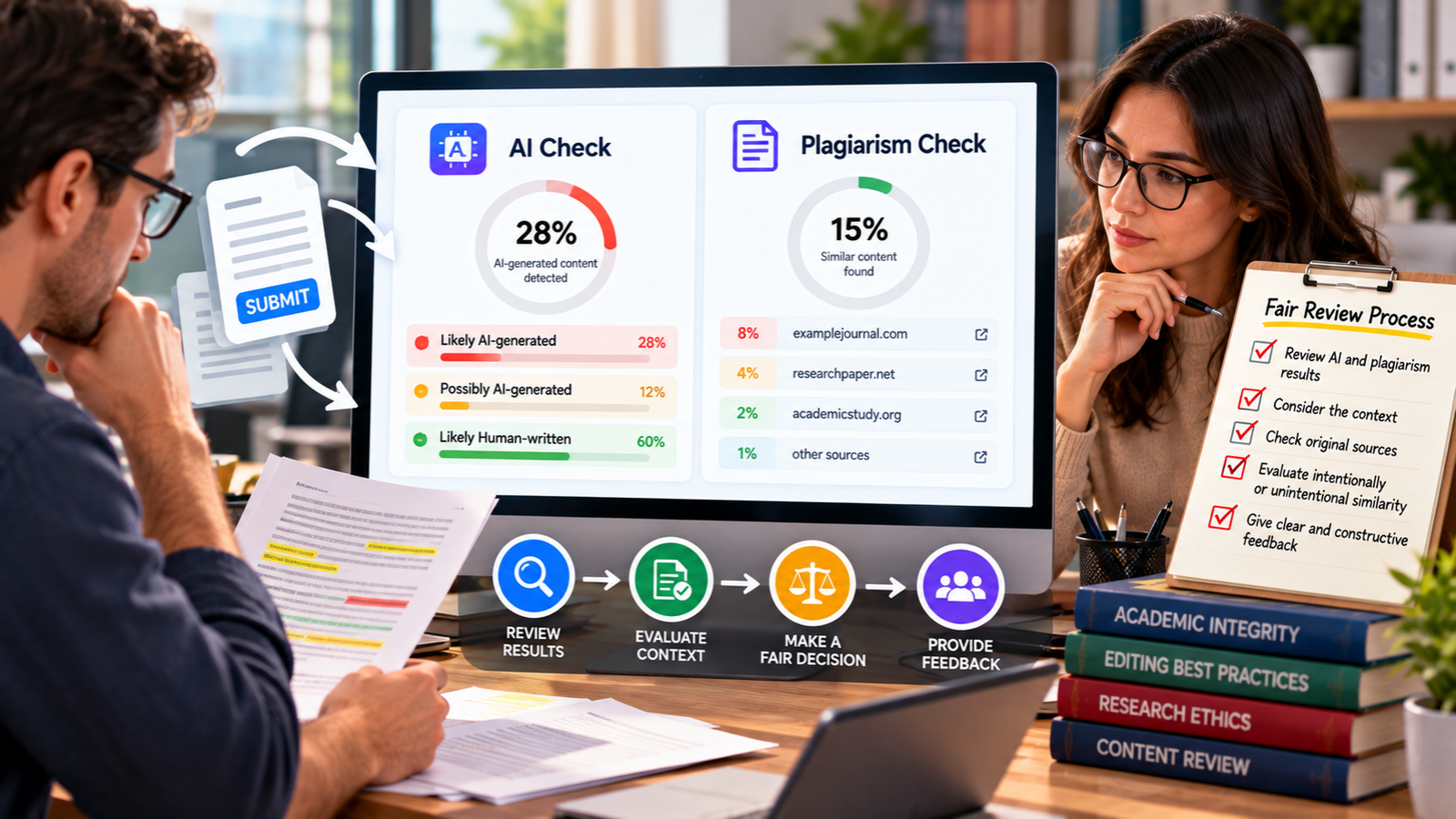
A fact check is usually a specific assessment of a claim, while fact checking describes the broader process used to investigate whether a statement is supported by evidence. The distinction matters because a single verdict does not explain the work behind it. Good verification starts with precise wording, follows a transparent evidence trail, and acknowledges uncertainty when the available information is incomplete.
Start with a precise claim
Fact checking becomes difficult when the statement being evaluated is vague. A reviewer should identify who made the claim, what exactly was said, when it was said, and what would count as evidence. Rewriting a viral post into a precise proposition often reveals that it contains several separate claims that should be checked independently.
Gather the strongest sources first
Primary documents, official data, original recordings, and direct statements can provide stronger evidence than reposts. Reputable reporting is valuable when it provides new reporting or quotes primary sources. A good fact-checking tool should help locate both kinds of evidence while preserving the difference between a source that reports a claim and a source that actually confirms it.
Check context and timing
Many misleading claims rely on true information used in the wrong context. A photograph can be real but old; a statistic can be real but refer to a different population; a quotation can be authentic but missing the surrounding sentence. Time-sensitive claims require special attention because new information can change the evidence picture after an article is published.
Explain the conclusion
A fact checker should be able to show how the evidence led to the conclusion. That may involve a source quotation, data comparison, document reference, or explanation of why a circulating interpretation is unsupported. Clear reasoning is more useful than a bare label because readers can evaluate the evidence for themselves.
When the answer is uncertain
Not every claim can be resolved immediately. Sources may disagree, primary evidence may be unavailable, or an event may still be developing. “Uncertain” is a legitimate verification outcome when the evidence does not justify a stronger conclusion. Treating uncertainty as a failure often encourages overconfident answers and makes misinformation easier to spread.
Fact checking as a repeatable skill
The process becomes easier when it is standardized. Identify the claim, gather strong evidence, compare sources, check timing and context, and write a conclusion that distinguishes what is established from what is uncertain. A fact checking tool can automate pieces of this sequence, but the logic remains the same.
Practical takeaway
Good fact checking is less about having perfect instincts and more about following a process that can be repeated, explained, and reviewed.
Conclusion
For everyday use, the most useful result is one that helps a reader understand what to check next. When using fact check in a real workflow, keep the original material available, preserve the date of the check, and separate facts from interpretation. For source-based questions, prioritize documents, direct statements, original recordings, reputable reporting, and other evidence that can be inspected. For AI or plagiarism questions, remember that a detection signal answers a narrower question than factual verification. For social media and news, compare the exact wording of the claim with what the underlying source actually says. If evidence conflicts, document the conflict instead of hiding it. If evidence is missing, use an uncertain status rather than inventing confidence. This approach makes fact check more than a one-click answer: it becomes part of a transparent verification process that readers, editors, teachers, and content teams can understand and repeat. The ultimate goal is not simply to produce a verdict. It is to reduce avoidable errors, slow the spread of unsupported claims, and help people make decisions using evidence that is clear, traceable, and appropriate to the situation.
Frequently Asked Questions
What is the main goal of fact checking?
The goal is to compare a specific claim with relevant evidence and communicate what the evidence supports, contradicts, or leaves unresolved.
Is fact checking only for journalists?
No. Anyone can use fact-checking principles when evaluating social posts, forwarded messages, articles, videos, or claims in everyday conversation.