Searches for an AI plagiarism checker free option are common among students, teachers, freelancers, and small content teams. Free tools can be useful, but “free” does not mean complete. Users should understand whether a product is checking source similarity, estimating AI-generated text, or doing both. They should also know what evidence is available behind the result and whether the service is suitable for sensitive documents.
Know which problem the free tool solves
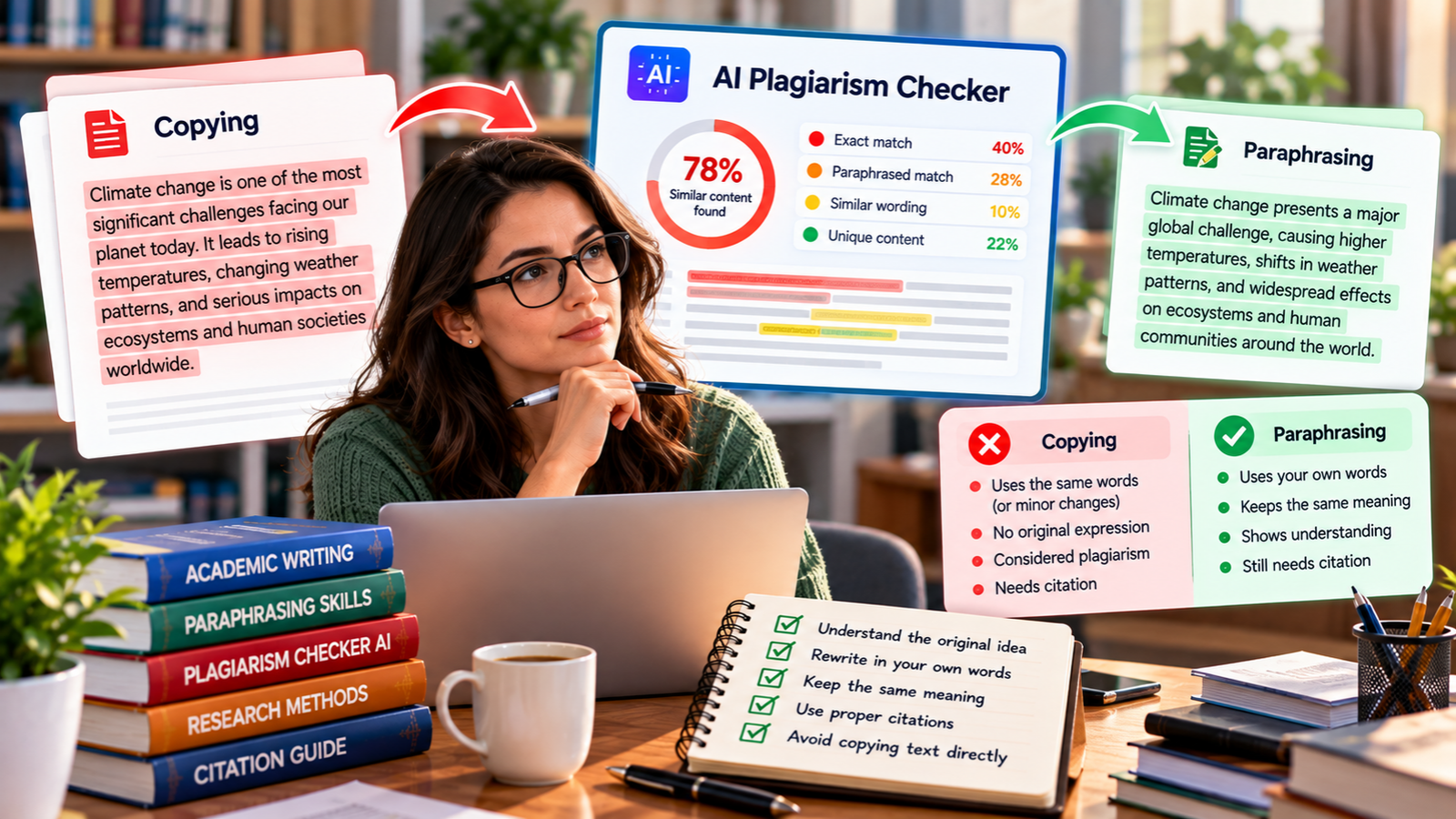
The first question is whether the tool checks plagiarism, AI-generation patterns, or both. Source similarity requires access to relevant indexed material, while AI detection relies on a different type of analysis. Some products bundle the functions under one label, which can create confusion. Read the report sections carefully so a similarity score is not mistaken for an AI score, or vice versa.
Free plans often have practical limits
Free services may restrict word counts, daily scans, advanced reports, file types, or historical comparisons. That does not make them useless. It simply means they are often best for preliminary screening. For high-stakes material, check whether the tool provides enough evidence and whether the usage terms are acceptable for private or unpublished documents.
How to validate a suspicious result
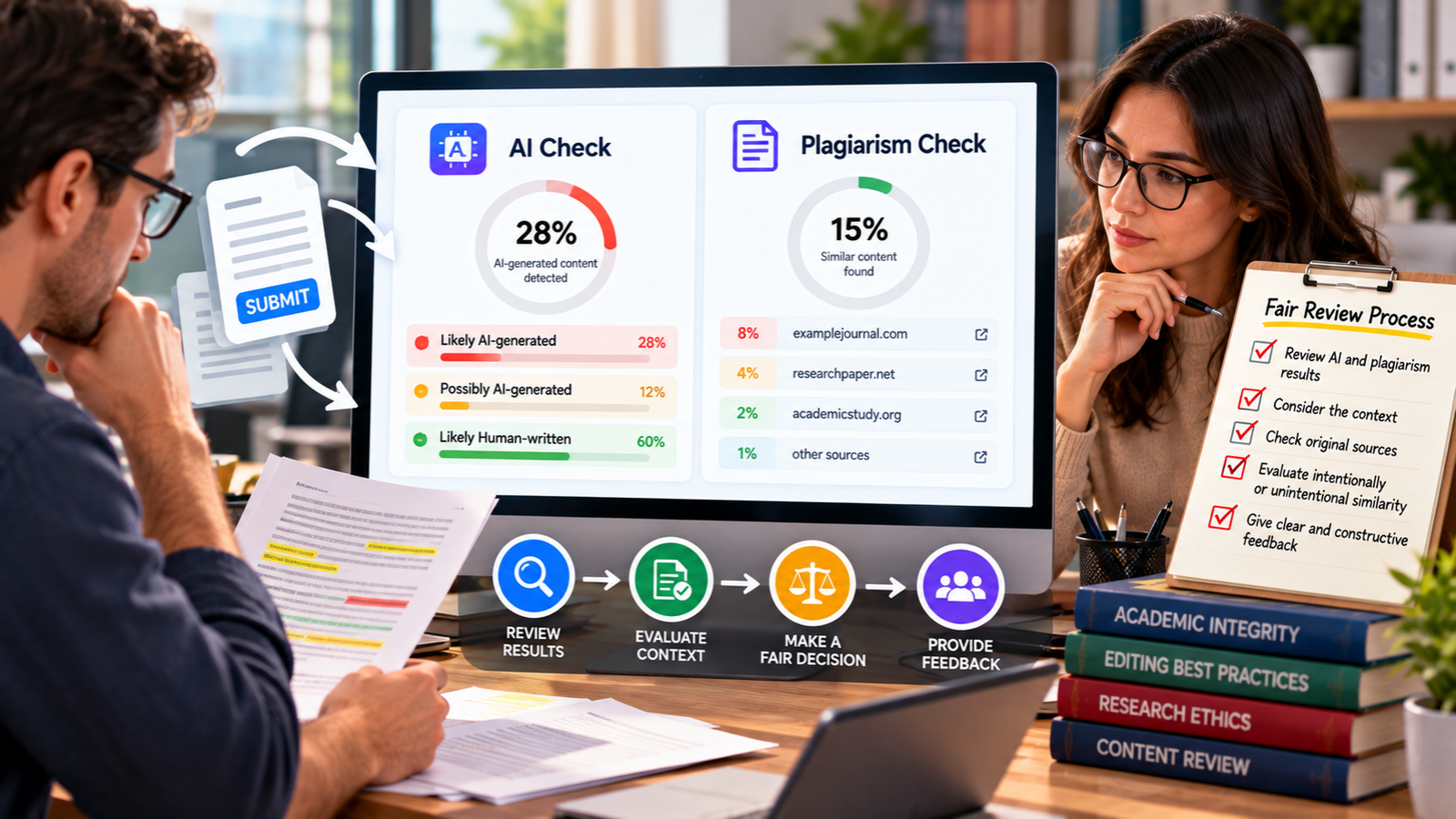
A result becomes more meaningful when you can inspect the evidence. For plagiarism, open the matched source and compare the wording in context. For AI detection, review the length and style of the passage, then look for independent signals such as draft history. For factual claims, use a free fact checker or other source-verification process. The tool should make the next review step easier.
Protect privacy while checking text
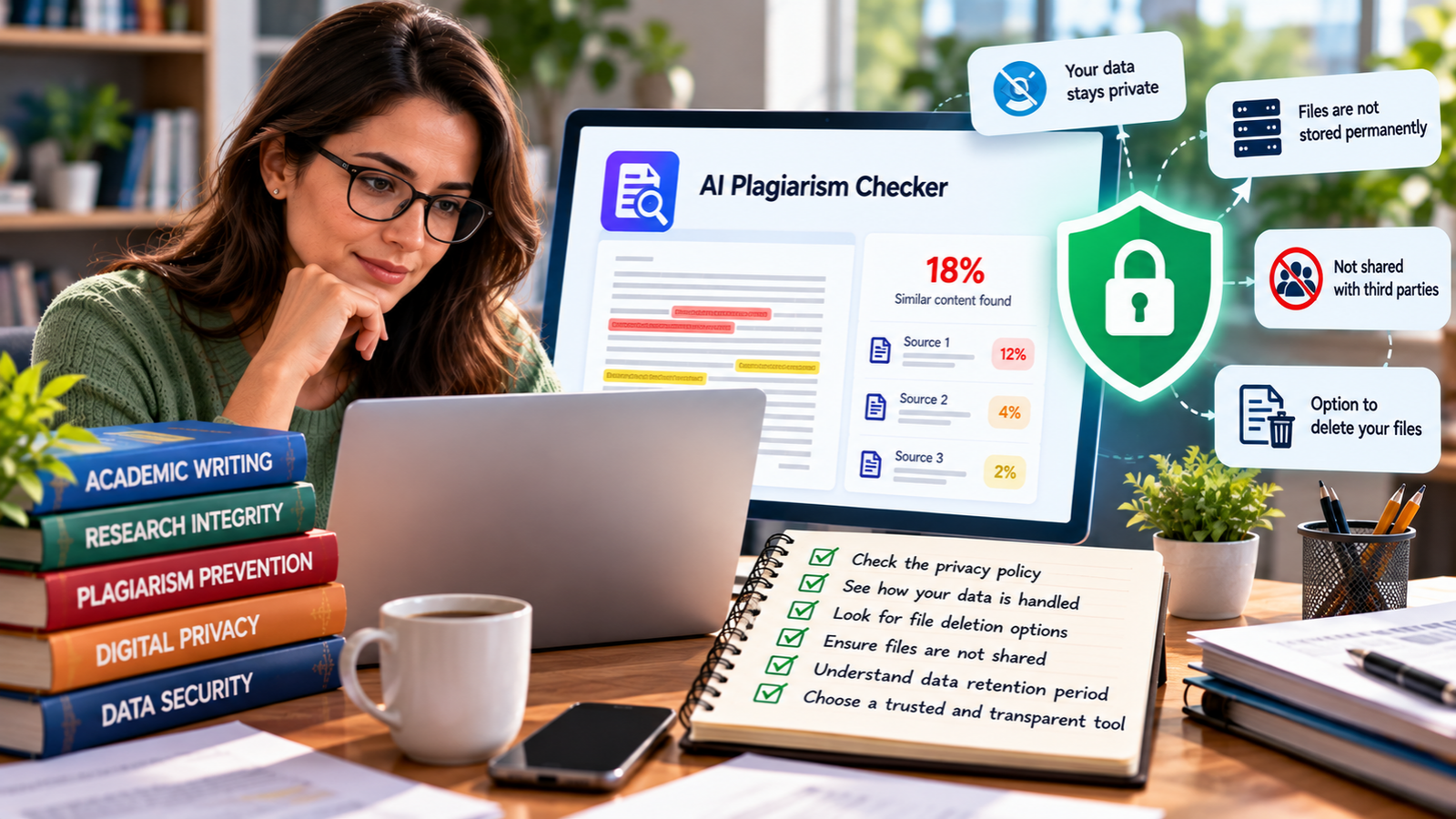
Before uploading confidential work, consider whether the service stores submitted text, uses it for model improvement, or shares it with third parties. This matters for student records, internal reports, unpublished articles, customer material, and sensitive business documents. A privacy-aware workflow can use redacted samples for screening or rely on tools with clear data-handling terms when stronger protection is required.
When free is enough
A free tool can be enough when the goal is an initial check on a low-risk document, especially when the user is prepared to verify the findings manually. It is less suitable as the sole basis for a disciplinary or reputational decision. The key is not the price of the tool but the quality of evidence it produces and the consequences of acting on that evidence.
How to get more value from a free AI plagiarism checker
Before uploading, decide what you need to learn from the scan. If the question is source similarity, inspect matches. If the question is possible AI assistance, review the AI signal separately. If the question is factual accuracy, move to a fact checker. This simple sequence prevents free tools from being expected to answer questions they were never designed to solve.
Practical takeaway
Free tools are most useful when they reduce the first layer of manual work. Use them to prioritize attention, then spend human time on the evidence that matters most.
Conclusion
A practical verification process starts with the question behind the content, not the label attached to it. When using ai plagiarism checker free in a real workflow, keep the original material available, preserve the date of the check, and separate facts from interpretation. For source-based questions, prioritize documents, direct statements, original recordings, reputable reporting, and other evidence that can be inspected. For AI or plagiarism questions, remember that a detection signal answers a narrower question than factual verification. For social media and news, compare the exact wording of the claim with what the underlying source actually says. If evidence conflicts, document the conflict instead of hiding it. If evidence is missing, use an uncertain status rather than inventing confidence. This approach makes ai plagiarism checker free more than a one-click answer: it becomes part of a transparent verification process that readers, editors, teachers, and content teams can understand and repeat. The ultimate goal is not simply to produce a verdict. It is to reduce avoidable errors, slow the spread of unsupported claims, and help people make decisions using evidence that is clear, traceable, and appropriate to the situation.
Frequently Asked Questions
Are free AI plagiarism checkers accurate?
Accuracy varies by product, text type, and task. Use free results as screening evidence and verify important findings independently.
Can a free tool replace professional fact checking?
No. Plagiarism and AI detection do not establish whether a factual claim is true. A separate fact-checking process is needed.