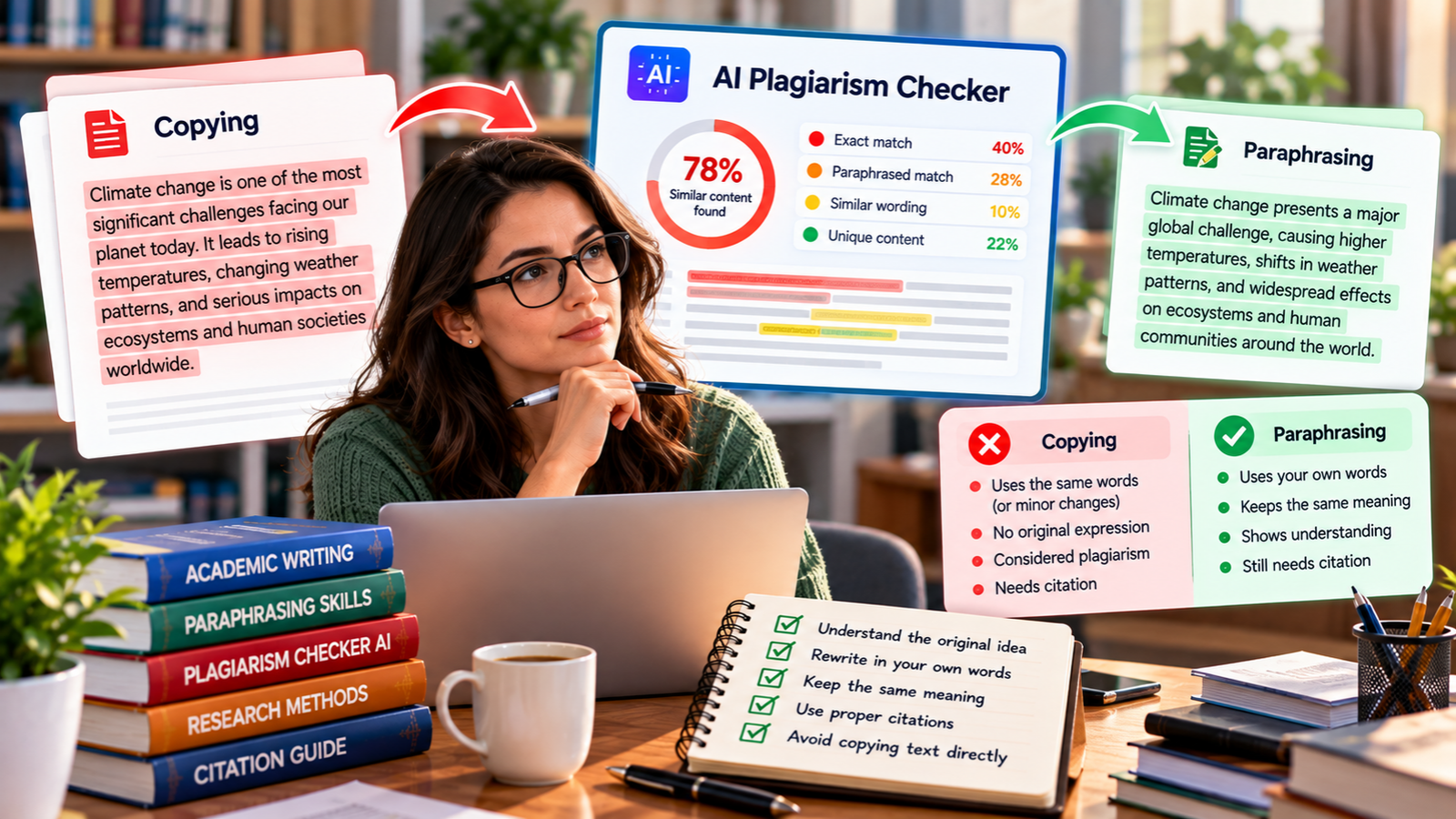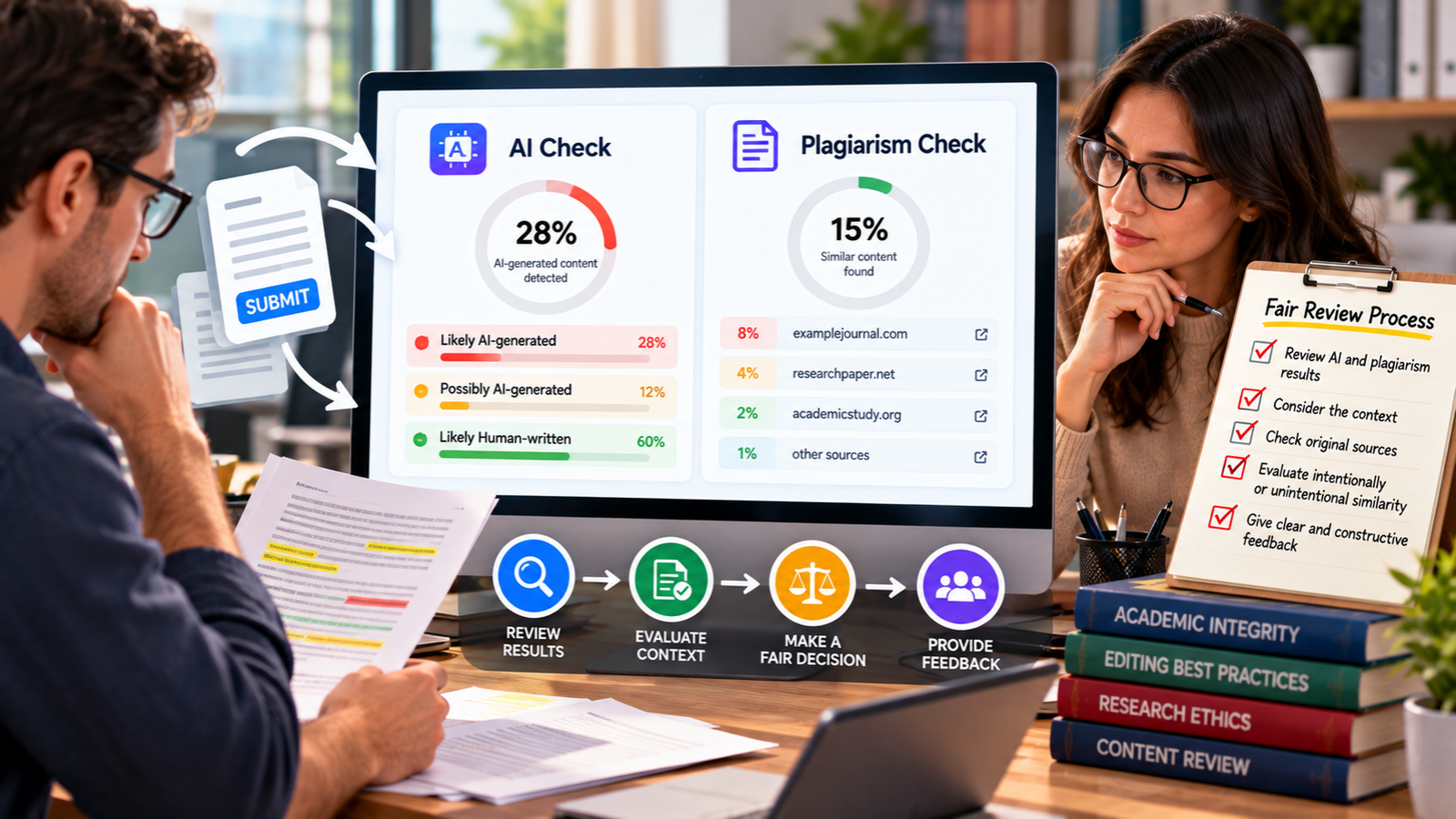
An AI fact checker combines language-model reasoning with evidence retrieval to help evaluate factual claims. It can search for related reporting, inspect submitted URLs, locate professional fact checks, and summarize what the evidence says. The most important design principle is that the AI should be grounded in sources. A fluent answer without a traceable evidence trail is not enough for reliable fact checking.
What AI adds to verification
AI can rapidly organize messy inputs into a clearer claim, identify related search terms, summarize long documents, and compare evidence. This reduces manual effort and makes fact checking easier to scale. The technology is particularly useful for mixed inputs such as long text, links, social posts, screenshots, and videos.
Why grounding matters
An AI model can produce plausible statements even when it lacks sufficient evidence. Grounding reduces that risk by giving the reasoning layer concrete sources to inspect. A strong AI fact checker should retain the URLs, source names, dates, and relevant passages that support its conclusion.
Use multiple evidence channels
Search results alone are not enough. A robust system can combine live web search, direct URL retrieval, existing professional reviews, and media-specific evidence. Running these sources independently helps the model reason from a fuller evidence set and reduces the chance that one weak page controls the outcome.
Handle images and videos separately
AI can also assist with visual verification. An image check can look for manipulation patterns while OCR extracts on-image claims for text-based verification. Video analysis can inspect actual audio and visuals rather than relying only on captions. Keeping these channels separate helps distinguish “the media is manipulated” from “the claim is false.”
The human role remains important
The most responsible use of AI is to accelerate investigation while preserving human judgment for difficult or high-stakes cases. Reviewers should be able to see which evidence was used, whether the sources are independent, and why the system chose its conclusion. When evidence is insufficient, the system should say so rather than manufacture certainty.
How to avoid AI overconfidence
AI systems are optimized to produce coherent answers, which can make unsupported conclusions sound persuasive. A responsible AI fact checker should therefore ground its reasoning in retrieved evidence and make uncertainty visible. Users should inspect sources when the claim is consequential or unusually specific.
Practical takeaway
The best AI fact checker is a research assistant, not an unquestionable authority. The evidence should remain the center of the workflow.
Conclusion
The strongest workflow is evidence-first: gather the relevant material, inspect the sources, and then communicate the result clearly. When using AI fact checker in a real workflow, keep the original material available, preserve the date of the check, and separate facts from interpretation. For source-based questions, prioritize documents, direct statements, original recordings, reputable reporting, and other evidence that can be inspected. For AI or plagiarism questions, remember that a detection signal answers a narrower question than factual verification. For social media and news, compare the exact wording of the claim with what the underlying source actually says. If evidence conflicts, document the conflict instead of hiding it. If evidence is missing, use an uncertain status rather than inventing confidence. This approach makes AI fact checker more than a one-click answer: it becomes part of a transparent verification process that readers, editors, teachers, and content teams can understand and repeat. The ultimate goal is not simply to produce a verdict. It is to reduce avoidable errors, slow the spread of unsupported claims, and help people make decisions using evidence that is clear, traceable, and appropriate to the situation.
Frequently Asked Questions
Can an AI fact checker be fully automatic?
Some workflows can be highly automated, but complex claims still benefit from human review, especially when the evidence is ambiguous or the consequences are significant.
What should an AI fact checker show users?
At minimum, it should make the claim, key sources, findings, conclusion, and important uncertainty understandable.