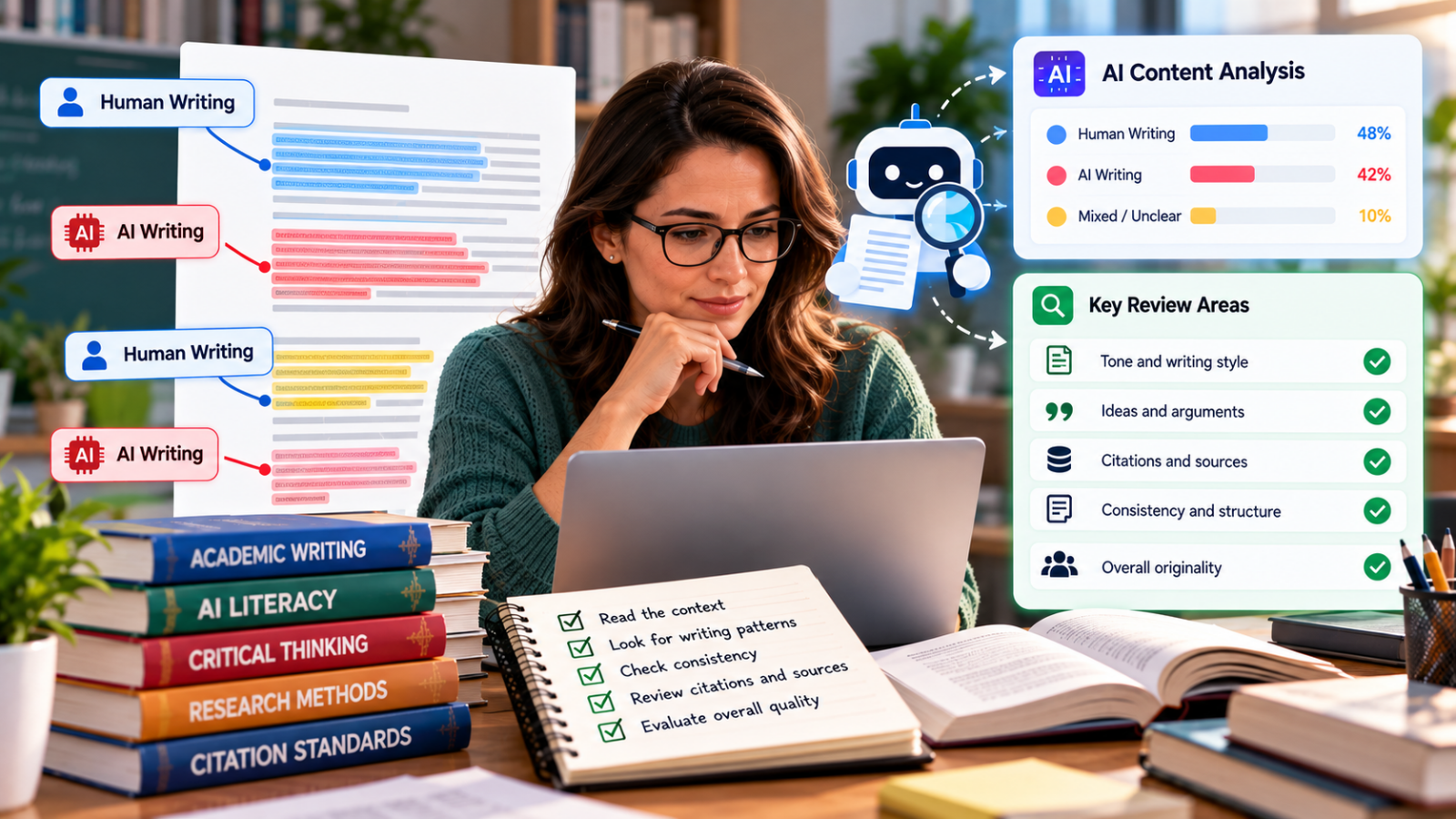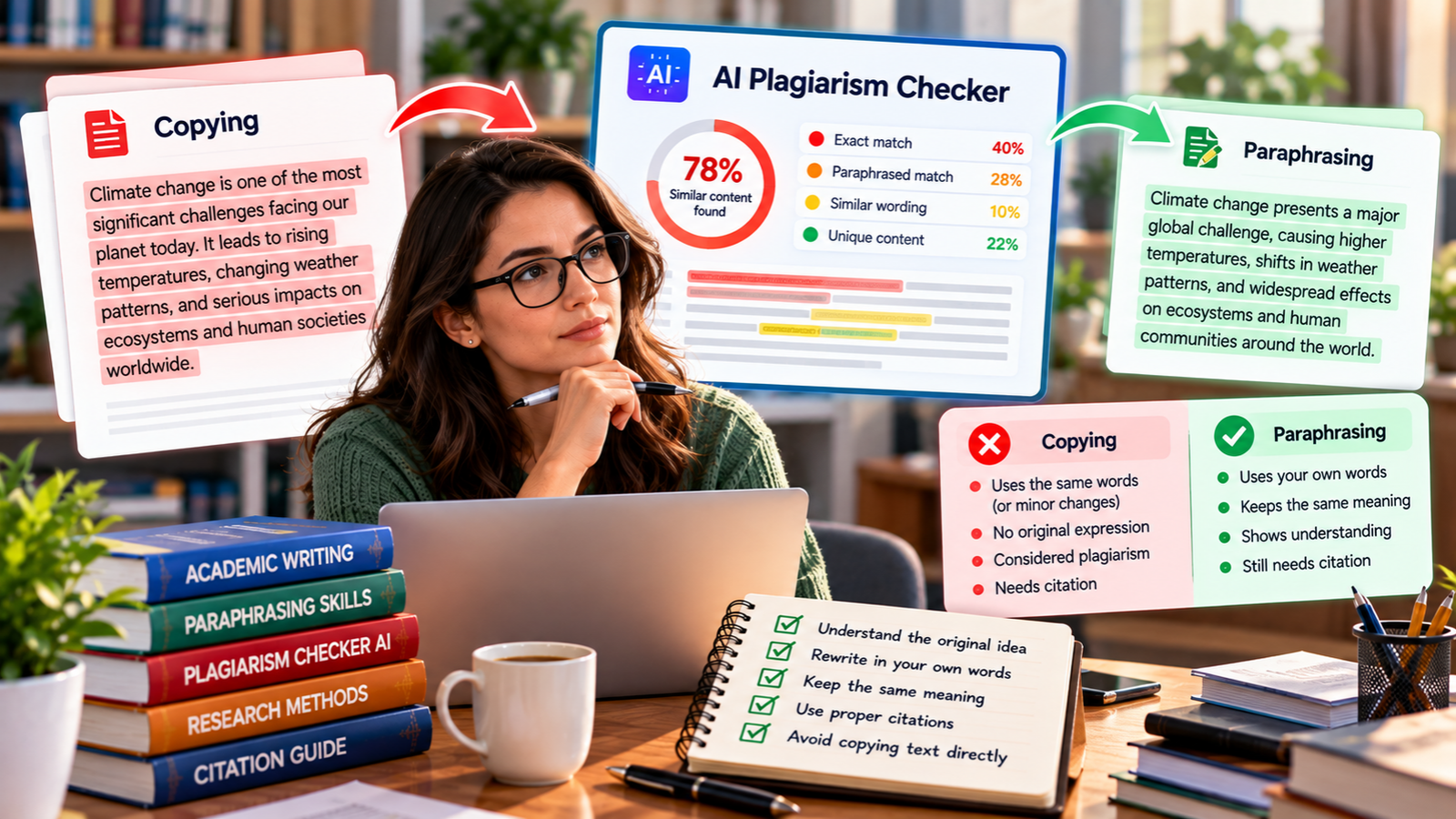
An AI detector for teachers can be useful when educators need to understand whether a submission may have involved generative AI. But the classroom is a high-stakes environment, and detector outputs can be uncertain. The best approach is to use detection as one part of an evidence-based process that respects student work, assignment context, and the possibility of false positives.
Set expectations before using a detector
A detector is easier to use fairly when students know the rules before they submit work. Explain what AI assistance is permitted, what must be disclosed, and what kinds of evidence may be reviewed. A transparent policy also gives students a chance to ask questions about grammar tools, translation software, brainstorming assistants, or other technologies that can alter wording without producing an entire paper.
Use the detector as a screening tool
Teachers can use an AI detector to identify submissions that deserve closer examination. Avoid treating a percentage as a direct statement of authorship. Instead, ask whether the result is consistent with the document and the assignment. Does the writing differ sharply from earlier work? Are citations present? Can the student explain the argument and sources? Those questions provide context that a detection model cannot supply.
Combine AI detection with plagiarism screening
Teachers may also encounter copied material, fabricated references, or unattributed paraphrasing. An AI detector for teachers is strongest when paired with plagiarism screening and source verification. The resulting picture can distinguish several possibilities: human-written and original, AI-assisted but properly disclosed, copied from a source, or factually unsupported. Keeping these categories separate avoids overclaiming what the evidence shows.
Design assignments that create evidence
Process-oriented assignments naturally generate evidence about how work was produced. Draft checkpoints, annotated bibliographies, outlines, reflections, and short oral discussions can help educators understand a student’s thinking. These methods also make it harder for students to submit material they cannot explain. A detector can still be useful, but it becomes one piece of a richer assessment process rather than the center of the system.
Document decisions carefully
When a detector triggers a review, record the result and the supporting evidence. If the case is inconclusive, say so. If the issue is plagiarism, cite the source match. If the concern is factual accuracy, verify the claim separately. This level of documentation helps teachers communicate with students fairly and makes school procedures more consistent across classes and instructors.
A classroom policy should come before the detector
Teachers should define acceptable AI use before a detector is introduced. Consider brainstorming, grammar correction, translation, outlining, citation help, and full drafting separately. The policy can also describe what students can provide if a submission is questioned, such as drafts or source notes. Clear rules reduce disputes and keep technology in a supporting role.
Practical takeaway
Use the detector to decide what deserves conversation, not what deserves an automatic penalty. Combine it with process evidence and the student’s ability to explain the work.
Conclusion
A careful review protects against two opposite mistakes: accepting a weak claim too quickly and rejecting a true claim because it looks unusual. When using ai detector for teachers in a real workflow, keep the original material available, preserve the date of the check, and separate facts from interpretation. For source-based questions, prioritize documents, direct statements, original recordings, reputable reporting, and other evidence that can be inspected. For AI or plagiarism questions, remember that a detection signal answers a narrower question than factual verification. For social media and news, compare the exact wording of the claim with what the underlying source actually says. If evidence conflicts, document the conflict instead of hiding it. If evidence is missing, use an uncertain status rather than inventing confidence. This approach makes ai detector for teachers more than a one-click answer: it becomes part of a transparent verification process that readers, editors, teachers, and content teams can understand and repeat. The ultimate goal is not simply to produce a verdict. It is to reduce avoidable errors, slow the spread of unsupported claims, and help people make decisions using evidence that is clear, traceable, and appropriate to the situation.
Frequently Asked Questions
Should every student paper be automatically flagged by an AI detector for teachers?
Automatic screening can identify material for review, but the resulting classifications should be interpreted carefully and not treated as definitive proof.
Can AI detectors identify AI-assisted editing?
Not reliably in every case. Light editing, translation, and mixed human-AI workflows can make classification difficult.